
Intersectionality in place-based sports and physical activity systems
The Centre for Social Justice in Sport and Society at Leeds Beckett University was commissioned to undertake research for Activity Alliance between November 2025 and May 2026. The research sought to understand how intersectionality is integrated into local systems that drive place-based working across sport and physical activity.
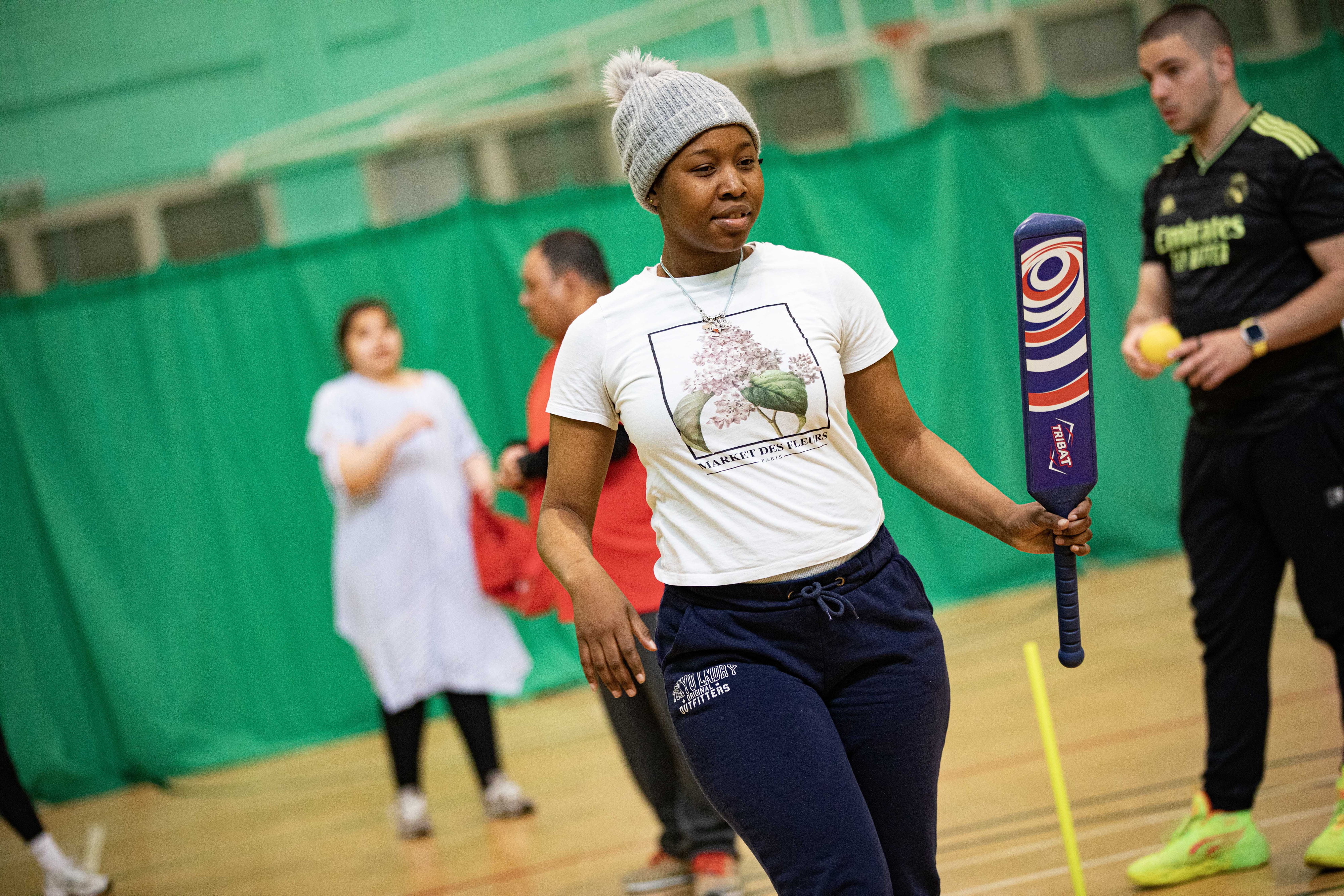 Intersectionality considers how aspects of a person’s identity, such as disability, gender, ethnicity, age and socioeconomic status, interact with wider factors including transport, employment, health services and social attitudes. These can create different, overlapping barriers to being active.
Disabled people have different identities, experiences and circumstances that shape their opportunities to take part in sport and physical activity. Someone’s impairment or health condition is just one part of who they are.
The research highlights why understanding the whole person matters. Inclusive sport cannot rely on a one-size-fits-all approach or focus on impairment alone. By listening to people, understanding the barriers they face and adapting provision to meet different needs, organisations can help create more inclusive opportunities for everyone.
Key findings
The research included a survey of 104 people, 18 interviews with practitioners and strategic leads, and a review of existing training and professional development resources.
Two-thirds of survey respondents said they had a good or excellent understanding of intersectionality, but fewer than half felt confident explaining it to others. More than half of respondents said their organisation did not use the term, with some describing it as too academic, jargon or not community-friendly.
However, the findings suggest that inclusive practice is already happening in many communities, even when it is not described as intersectionality. Practitioners and organisations may use terms such as inclusion, diversity and person-centred approaches instead.
The research highlights the importance of local knowledge and listening to people’s experiences. Delivery staff who are closely connected to their communities can recognise and respond to people’s needs, helping to move beyond assumptions and one-size-fits-all approaches.
View the full research report and infographic
Intersectionality in place-based sport and physical activity systems (full report)
Intersectionality in place-based sport and physical activity systems (infographic)
Accessible communication formats
Here, you will find the Intersectionality in place-based sports and physical activity systems report (Nov 2026) key findings in easy read format and a BSL translation video.
Intersectionality in place-based sport and physical activity systems (easy read summary)
Please contact our research team to discuss how to access, interpret, and use the data including further breakdowns or to view the data tables. Or, if you require further support to access the report, or would like to request an accessible Word copy, please email research@activityalliance.org.uk or call 0808 175 6991.
The report was published in November 2026.
