WiS report finds coaching not ‘safe, fair or sustainable’ for women
New research from Women in Sport shows that sports coaching in the UK is a hostile environment for women.
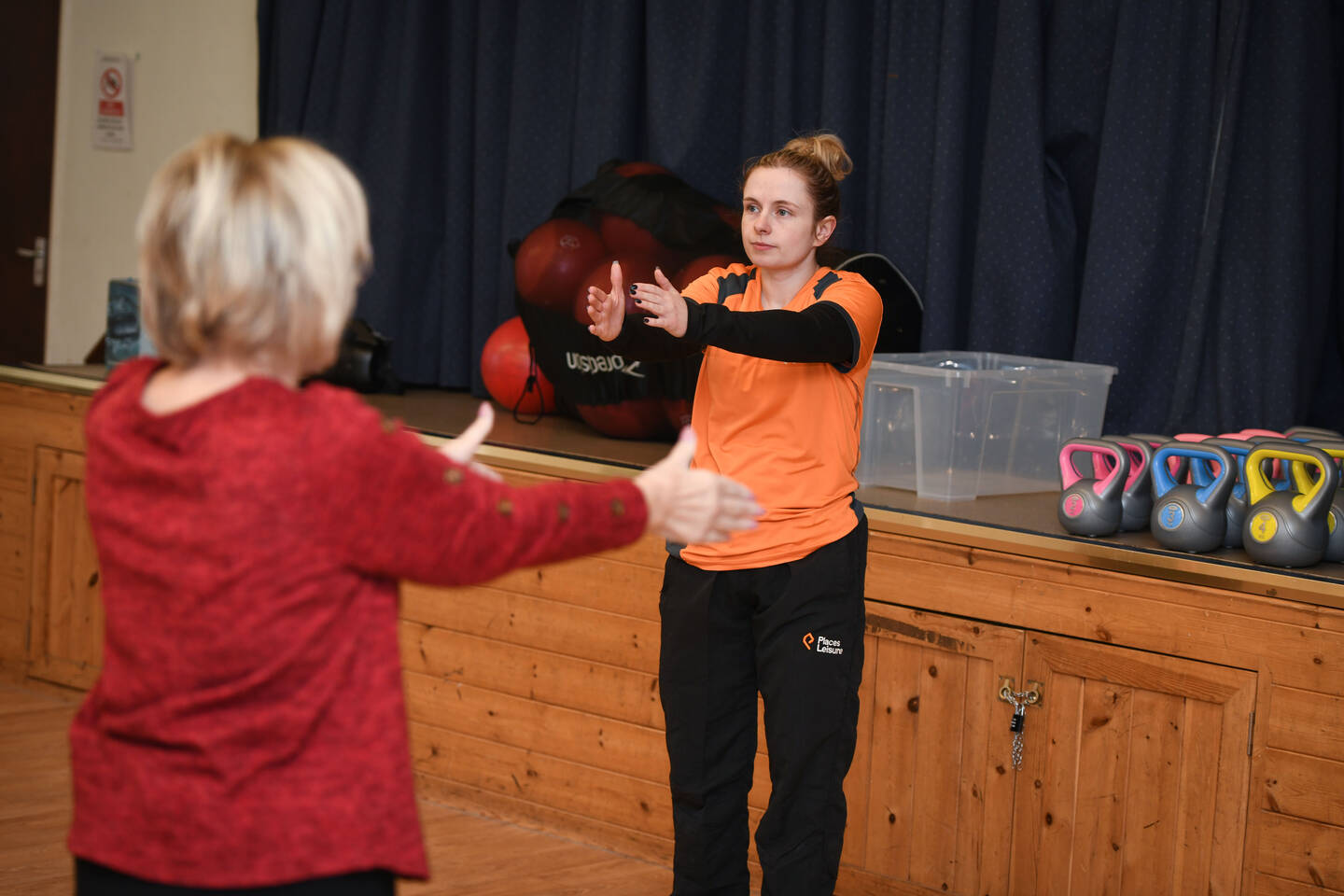
Coaches are the backbone of sport in the UK, from grassroots to high performance. They give their time, energy and expertise to support others to be active, to find joy and belonging in sport, achieve their potential and win medals and trophies.
Millions of people coach across the UK each year, around half are paid in some capacity, even if only for an hour a week. Coaches are passionate, committed and love what they do.
But this research shows that for too many women, coaching is not experienced as safe, fair or sustainable.
Conducted in collaboration with Leeds Beckett University, the report is the most in-depth study of its kind into the experiences of coaches. Drawing on the voices of 2,000 coaches and 67 senior leaders in sport, the research shows the realities of what it is like to be a sports coach in the UK today. 14% of those taking part in the survey disclosed a disability or long term health condition.
The findings showed that for women, minority ethnicity, age, or disability, can add a further layer of disadvantage when it comes to accessing economic stability and opportunities.
A clear disparity is shown when the experiences of men and women coaches with disabilities or long-term health conditions are compared with those of non-disabled coaches in paid roles.
Only 15% of the coaches with a disability surveyed report holding permanent positions, compared with 25% of their non-disabled counterparts. This gap highlights that coaches with a disability also face a notable disadvantage and underrepresentation within the coaching system.
The report also highlights the fact that 63% of disabled women coaches felt a sense of belonging, compared to 77% of disabled men coaches.
Women in Sport are calling for sustained cultural reform across the sport system to improve the experiences of women coaches. At a moment when women’s sport is growing in visibility, participation and ambition, there is a real opportunity to reset how coaching is valued, structured and supported.
With the right reforms, coaching can become more sustainable, quality and retention can be strengthened and environments created where all coaches, women and men, are respected, protected and supported to thrive. This is not only essential for women coaches, but for the future health and sustainability of sport as a whole.
To make this change real, Women in Sport recommend that Sports Councils embed the following expectations as a condition of grant funding:
- Introduce and implement anti-misogyny policies at all organisational levels, supported by appropriate training.
- Use gender impact reporting and gender budgeting to identify and address disparities in pay, expenses and investment between the sexes in coach development.
- Take active steps towards gender-balanced leadership, with transparent annual reporting on the gender composition of senior leadership and the coaching workforce.
- Establish and publicise independent, trusted reporting mechanisms for coaches to report harm safely and with confidence.