Build belonging for young disabled people to be active
Physical activity is a powerful tool for improving and maintaining health and wellbeing. It helps us stay fit, boosts mental health, and builds confidence. For children and adults, being active is also about fun, friendship, and learning new skills. But for many young disabled people, these benefits remain out of reach.
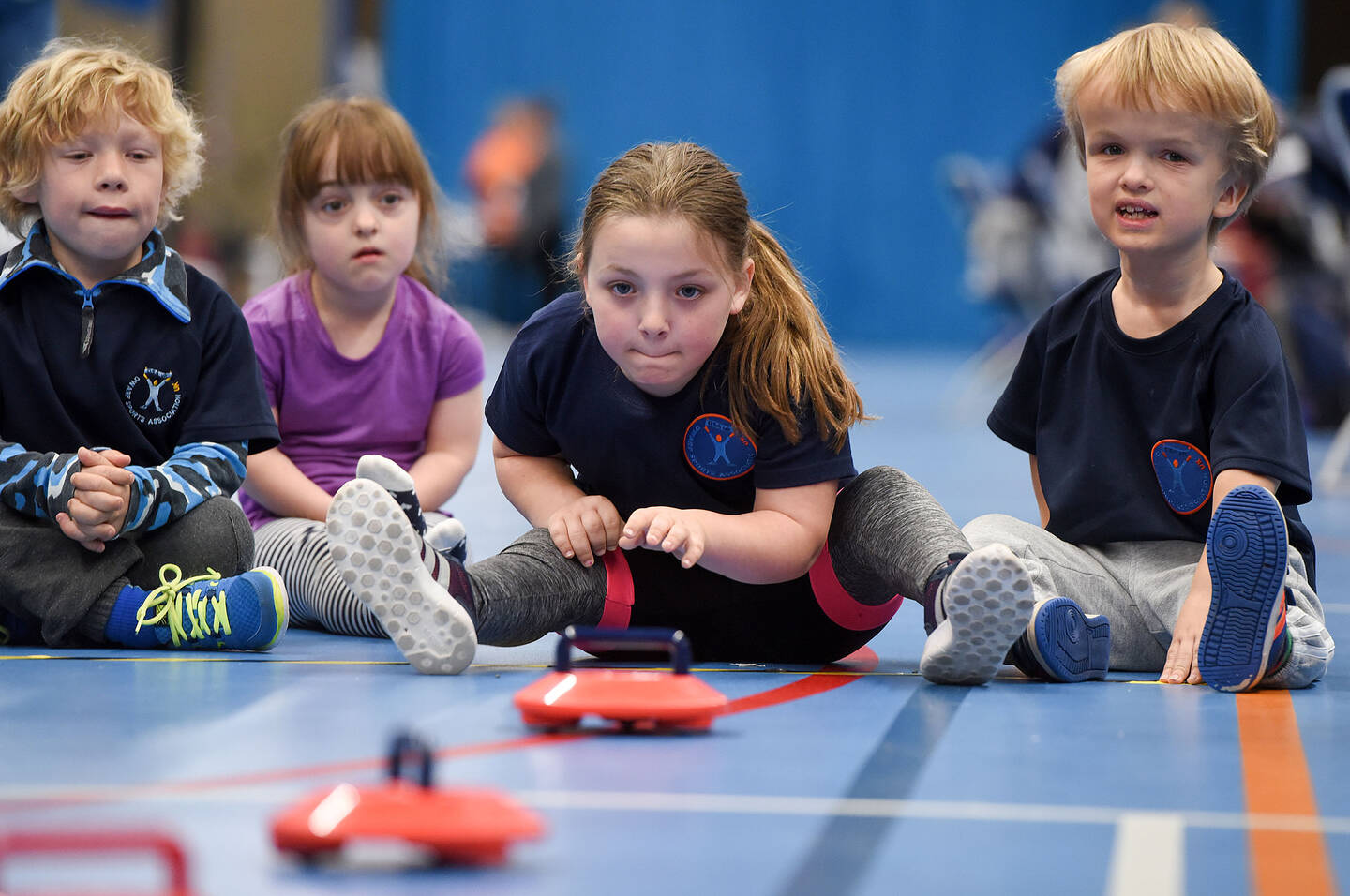
They face barriers that make it harder to take part in sports and physical activities, especially in schools. That’s why Activity Alliance is working with partners to push for change to ensure disabled children have the same chances to enjoy being active as everyone else.
The reality gap
Our recent research report, Play, Move, Belong, shows a stark difference between the experiences of disabled and non-disabled young people when it comes to physical activity. In schools, far fewer disabled pupils say they can take part in sports and activities all the time compared to their non-disabled peers. This gap matters because schools are where we form lifelong habits. If disabled children miss out here, they are less likely to stay or want to be active later in life.
The report found during a typical school week, four in ten young disabled people (43%) are classified as “less active.” For non-disabled young people, that figure is three in ten (32%). Even more concerning, only 3% of young disabled people meet the Chief Medical Officers’ recommendation of 60 minutes of daily activity.
Understanding the barriers
Why is this happening? Our evidence shows that young disabled people face more personal and practical barriers than their peers. These include:
- Impairment related challenges that make certain activities more challenging.
- Loneliness and isolation, which reduce motivation.
- Low confidence and fear of being judged, often linked to negative past experiences.
- Lack of knowledge about what activities are available or how to get involved.
These barriers don’t just stop children from joining in. They undermine the development of physical literacy, the basic skills and confidence needed to enjoy movement. Without these foundations, it’s harder to build a lifelong habit.
Yet, despite these challenges, there is good news. Eight in ten young disabled people (85%) say they like or love being active. They want to move, play, and participate and this is driven by a desire to stay healthy, have fun, and build confidence.
We released a useful report infographic for quick insight.
Why policy change matters
This is not just a matter of personal choice or school decision making. These deep-rooted inequalities are also a systemic issue that require action at the highest level. The systems and policies shape the environments where children grow up. They determine funding, training, and priorities in schools and communities. Without strong policies that put disabled children at the heart of decision making, progress will remain slow and uneven.
The recently released National Youth Strategy and the upcoming Special Educational Needs and Disabilities (SEND) White Paper are steps in the right direction. The National Youth Strategy mentions SEND provisions and announces programmes to expand enrichment in schools, improve access to activities, and make mainstream settings better equipped for SEND pupils. These commitments are encouraging, but we need to keep pushing to ensure these promises turn into real change.
We cannot do this alone and that is why working with others is essential. Inclusion 2028 is a Department for Education funded grant designed to improve the choices and chances of children and young people with SEND through a series of targeted interventions in physical education (PE), school sport, and physical activity.
Led by the Youth Sport Trust, a national network of Lead Inclusion Schools and a consortium of expert organisations including Activity Alliance, nasen, ParalympicsGB and Swim England. This grant fuels a range of inclusive initiatives across England, ensuring that every pupil, regardless of ability, has the opportunity to thrive.
One of the great initiatives is the Inclusive education hub. Here you will find lots of support for teachers or school staff to review and improve inclusive physical education and school sport delivery.
Vicci Wells OBE, Assistant Director of Children and Young People, Youth Sport Trust said:
“Too many children still face barriers to access, which affects their sense of belonging, confidence and development of key skills. Through Inclusion 2028, the Youth Sport Trust is working with our partners to ensure every young disabled person can enjoy the benefits of sport and physical activity. Young people are consistently telling us they want to do more sport and to be included in the same spaces as their peers, rather than treated as a separate afterthought.
“But more action is still needed. Inclusive sport and physical activity need to be a priority in policy at both school and government level, greater investment is needed in teacher training for inclusive practice and to ensure schools are supported to deliver opportunities so that no child is left behind.”
What needs to happen
To ensure more children can feel they belong in sports and activities, we need bold, practical actions. This includes a joined-up approach that brings decision makers, providers, teachers and children together. We need to:
- Equip and train teachers. Provide the right tools, resources and adapted initial and ongoing training. This is to ensure current and future teachers, including more disabled people entering the profession, have the skills and confidence to deliver truly inclusive PE.
- Make inclusive PE a system priority. Redefine PE’s role in the school curriculum and embed it across the education system so inclusive practice is recognised, funded and monitored at every level.
- Increase awareness campaigns to change attitudes like ParalympicsGB’s Equal Play. Campaigns can challenge stereotypes, promote positive stories, and encourage schools and communities to embrace inclusion.
The bigger picture
Every child deserves the right to move, play, and thrive and we know that disabled young people want to be active. With the National Youth Strategy out recently and the SEND White Paper on the horizon, we have a unique opportunity to influence policy and make inclusion a reality. Let’s ensure that the rights of disabled children are not an afterthought but a priority. Together, we can create a future where every child feels they belong in sports and activities.