Embedding physical activity into healthcare
Last week’s World Health Day (7 April) was a useful moment to reflect and look at what really supports good health. This year’s theme, Stand with Science, is a reminder that we already know a lot about what helps people live well. Healthcare has a key role to play in closing the activity gap.
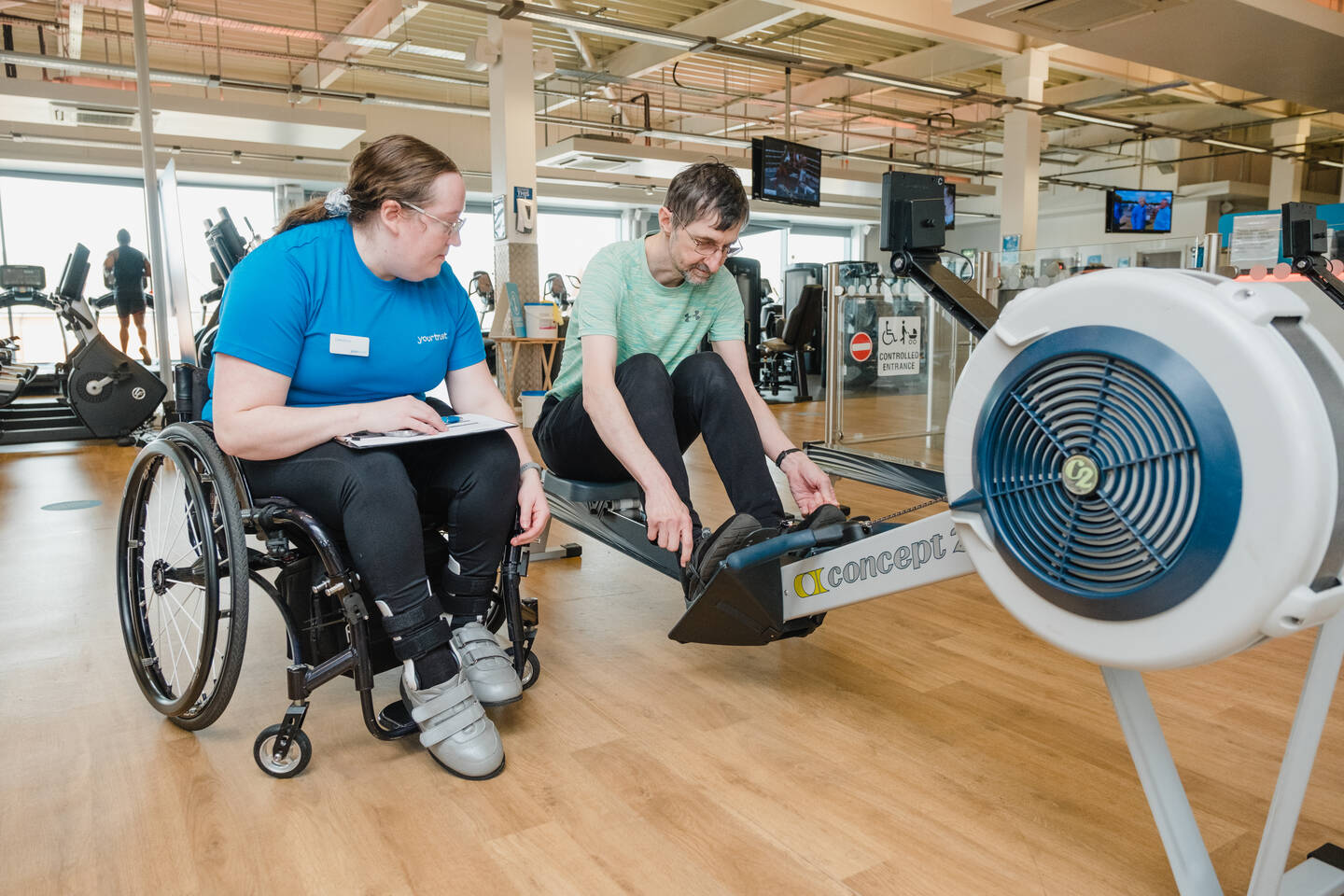
There is growing interest in approaches such as social prescribing, personalised care, neighbourhood health models, and prevention and healthy ageing agendas. These all present opportunities to support people to be active in ways that are realistic and meaningful for them.
Ahead of the 2024 general election, Activity Alliance’s Fight for Fairness Manifesto called on government to work with the NHS to ensure better processes are in place for health and care workers to support disabled people to use physical activity in ways that work best for them.
However, for disabled people and those with long-term health conditions, this approach only works when healthcare professionals have the time, confidence and practical tools to talk about physical activity in a sensitive and meaningful way. We know from both our own and The Richmond Group of charities' research that health and care workers are the most trusted source of advice on being active and can play a vital role in helping people explore what might work for them. To do this effectively, professionals need to be equipped with high-quality information and clear referral routes, so they can confidently signpost disabled children and adults to a wider range of suitable activities. This, in turn, depends on their awareness of, and access to, inclusive sporting and physical activity opportunities in their local area.
Many health professionals want to do this better but face their own barriers, including workload pressures, limited training and unclear referral routes.
NHS England’s Four Ways Forward sets out how to make the most of physical activity. To make this work in everyday care, we need clear pathways, better collaboration across sectors, and recognition that support for physical activity is a core part of care, not an optional extra.
Emma Hutchins, Senior Influencing Manager at We Are Undefeatable, The Richmond Group of Charities, says:
“The Richmond Group of Charities works with organisations like Activity Alliance to advocate for people with long-term conditions to be supported to move, and one key way we can achieve this is by embedding movement into healthcare.
“Our research shows that the NHS and healthcare professionals are consistently named as the most trusted sources of advice on physical activity. This is why it’s so important that conversations about physical activity take place; we know that when they do, they lead to action.
“By providing support and tools to healthcare professionals, we can help facilitate meaningful conversations about physical activity and help tackle some of the barriers facing people with long-term conditions, pain, fatigue or other physical limitations. And by shaping national policy, we can create the conditions in which physical activity is part of routine care and people with long-term conditions can be active.”
Inclusion must be built in, not added on
Inclusive physical activity should be part of everyday services, not treated as a specialist issue. This means designing services that work for different needs, involving disabled people and people with long-term health conditions early, investing in staff skills, and ensuring digital tools are accessible to all.
Digital options such as remote support or condition-specific tools can help some people, but only if they are accessible, joined up and complemented by non-digital alternatives.
We Are Undefeatable, powered by The Richmond Group of Charities, is a behaviour change campaign that inspires people with long-term conditions to be active. We Are Undefeatable encourages people to move in ways that work for them by sharing inspirational stories from people with lived experience and providing free practical resources such as mini workouts, planners, videos, and the new We Are Undefeatable app.
The campaign is underpinned by an extensive research programme, carried out by DJS Research, that provides regular insights from people with lived experience into their barriers, motivations and attitudes towards physical activity. Insights from the campaign shows it successfully engages its target audience, with our research consistently showing it is:
- Highly relatable 62% of people with health conditions agree it is aimed at them.
- Inspirational 52% of people with health conditions feel inspired by it.
- Leading to action 1 in 5 people with a long-term condition have taken action to be more active as a result of the campaign.
You can explore their Lived Experience Data Dashboard to find out more insights from people living with a long-term condition. The interactive dashboard allows you to filter by different demographics such as condition, age, postcode and more.
Working across sectors
We are proud to be working with partners like The Richmond Group of Charities. We know no single organisation can address these challenges alone. Progress depends on collaboration between health, social care, local government, the voluntary and community sector, and the physical activity and sport system. When systems don’t work together, disabled people and those with long‑term conditions are often most affected.
Recent parliamentary discussions and policy reviews continue to highlight the same issues.
The Health and Social Care Select Committee is undertaking an inquiry into the role of physical activity in improving the health and wellbeing of our older population. So far, the Inquiry has completed oral and written evidence sessions to which Activity Alliance and The Richmond Group of Charities have contributed. Both organisations emphasised the need for policy to be grounded in lived experience, and called for action from central government to support our audiences. We expect the final report soon.
A clear call to action
If we are serious about prevention, healthy ageing and reducing health inequalities, physical activity must be part of the conversation. Disabled people and people with long-term health conditions must be part of the solution. That means standing with both science and lived experience and embedding inclusive physical activity into health and social care reform. We need to remove barriers rather than blaming individuals, and treat movement as a normal, supported part of life for everyone.
More information:
- The role of healthcare professionals (April 2025). Activity Alliance commissioned Better Decisions Together to explore the role of healthcare professionals in supporting disabled people to be more physically active.
- Millions More Moving report: this report underpins influencing work and outlines the three shifts The Richmond Group want to see.
- Bridging the Gap report: this report focuses on understanding how to better support people with living with long term conditions to become more physically active.
- We Are Undefeatable Lived Experience data dashboard: an interactive dashboard makes regular survey data freely available and tailorable to any organisation similarly interested in supporting this audience to be active.
- We Are Undefeatable in Blackburn with Darwen evaluation report: this report shares the impact of We Are Undefeatable in Blackburn with Darwen, a nationally inspired, place led campaign.
- We Are Undefeatable app: provides free tailored exercise programmes that can be completed anywhere, anytime, and are suitable for a range of health conditions.