Physical activity as vital as medication for healthy ageing
Physical activity should be at the heart of the NHS’s support for older people and is as important as providing medication, a report by the Health and Social Care Committee says. Activity Alliance submitted evidence and was invited to give oral evidence, with our Chief Executive appearing alongside charity leaders to raise awareness of the barriers and give solutions.
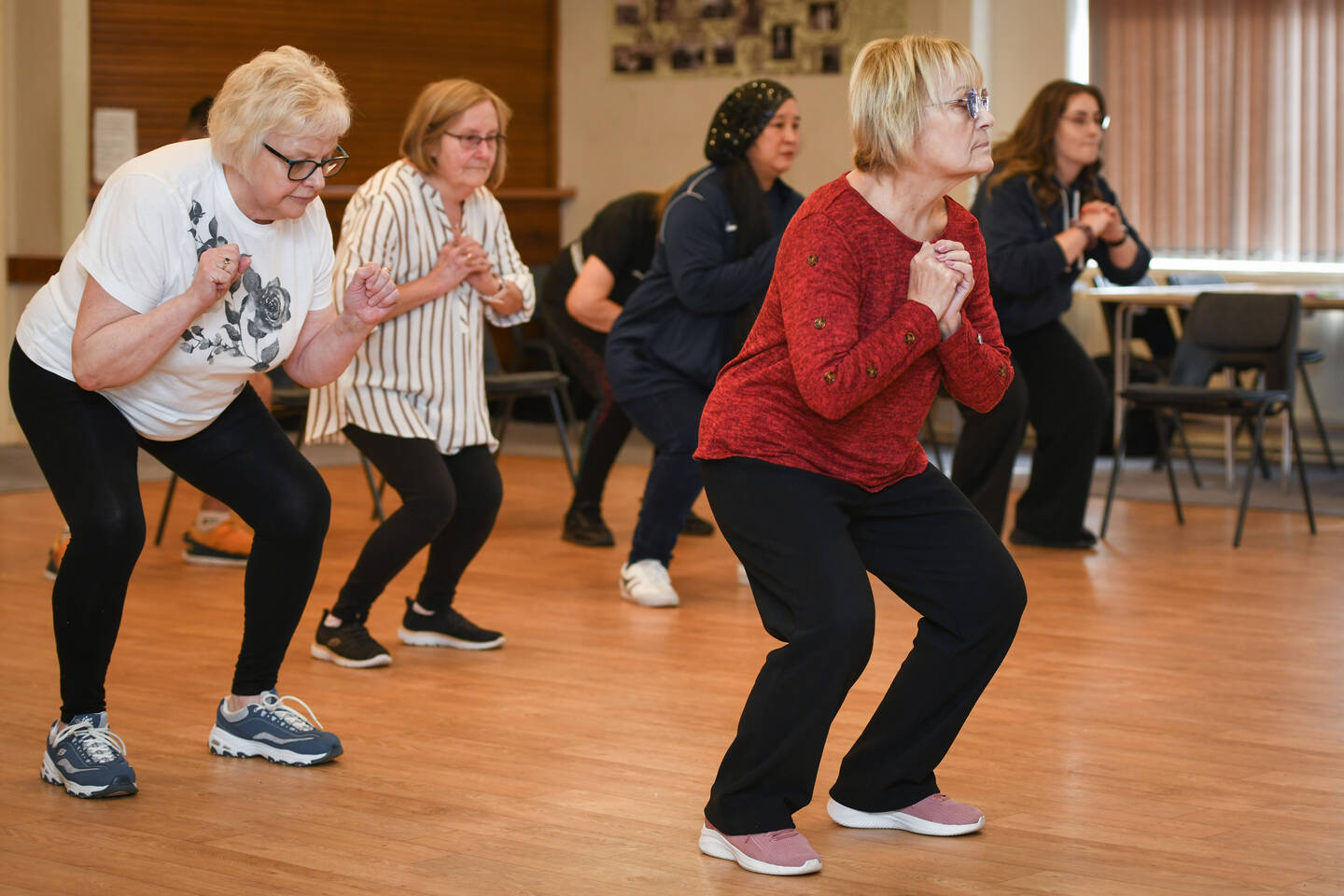
Boosting resilience to illness, frailty and falls through physical activity will be key to keeping the country’s ageing population healthy and living independently for longer, MPs say. This change will be fundamental to the Government’s objective of switching the NHS’s focus from treating illness to preventing it, and will help stabilise the rising cost of funding the health service as demand continues to rise.
The report follows the cross-party Committee’s Healthy Ageing inquiry. It recommends:
- Advice and social prescribing of physical activity should become a core, routine offering to older people from their GPs and other clinicians.
- Stronger links between local NHS services with leisure providers and community groups to make exercise more accessible.
- The Care Quality Commission should be charged with checking that exercise programmes are being provided to residents in care homes.
The Committee also calls for a national conversation and a cultural shift in the way that ageing is perceived and talked about in society. Negative stereotypes can leave older people feeling resigned to becoming inactive, at the point in their lives when a sedentary lifestyle leaves them even more vulnerable to illness.
Health and Social Care Committee Chair, Layla Moran MP, said:
“Healthcare experts and the Government are all agreed that staying physically active can help older people to live not just longer, but healthier, happier, more sociable lives.
“Promoting active lifestyles among older people would also tackle two policy objectives at once – shifting the NHS’s focus to prevention, and bringing services closer to home, not the nearest hospital. Experts told us that exercise can be more effective than medication, and these changes would also cut the NHS’s vast expenditure on drugs. It’s a win-win, and this report sets out how the Government can make it happen.
“We have set out practical recommendations for Ministers to rethink how the NHS and social care services help older people, from training for GPs to help individuals make their own healthy choices, to greater accountability in care homes and making our public spaces more accessible.
“As a growing proportion of society becomes older, we need to have a national conversation and a generational change in attitudes towards ageing. Assumptions that elderly people are left to fade away quietly lead to harmful behaviours that cause unnecessary suffering for individuals and their families. These retrograde ideas must be upended.”
Adam Blaze, Chief Executive at Activity Alliance, said:
“We welcome this report and the recognition it gives to physical activity as central to healthy ageing, prevention and independence.
“Too often, disabled people face inaccessible facilities, limited transport, inflexible offers, under-confident staff and systems that focus on risk rather than possibility. This report is a timely reminder that inclusion cannot be an afterthought. If government, health services, local systems and activity providers are serious about prevention in healthy ageing, they must embed disabled people’s needs into mainstream policy, commissioning and delivery from the outset.
“We particularly welcome the evidence highlighting disabled people’s unequal experience. Disability prevalence rises with age so the recommendations within this report apply to many older disabled people in our population. Disabled people remain among the least active groups - yet stand to gain some of the greatest benefits from being active.
“As our 2024 social value report shows, there is also a clear economic case for action. Supporting disabled people to be active could generate significant social value, with the activity gap between disabled and non-disabled people estimated to cost society at least £10.9 billion. Done well, this is not only good for disabled people, it is essential to a healthier, fairer and more active society for everyone.”
Key stats and facts
- Being physically active cuts the risk of dementia, cardiovascular disease, stroke, type-2 diabetes, musculoskeletal conditions, and some cancers.
- By 2035, 68% of people aged over 65 are expected to have two more serious health conditions, up from 54% in 2015. This causes lower quality of life, increases the chance of hospital admission and creates more complex care needs.
- In 2022, there were around 12.7 million people in the UK aged 65 or over, approximately 19% of the population. This is expected to rise to 22.1 million people (27% of the population) by 2072.
- The ONS and Health Foundation have shown that the average healthy life expectancy of children born in the most deprived areas of England is around 18 years lower than those born in the most affluent.
- In the UK, physical inactivity is associated with one in six deaths and is estimated to cost £7.4 billion annually.