Paul's story: creating opportunities through inclusion and confidence
For many people, taking part in sport or physical activity is something they can choose to do whenever they like. For others, it is not always that simple.
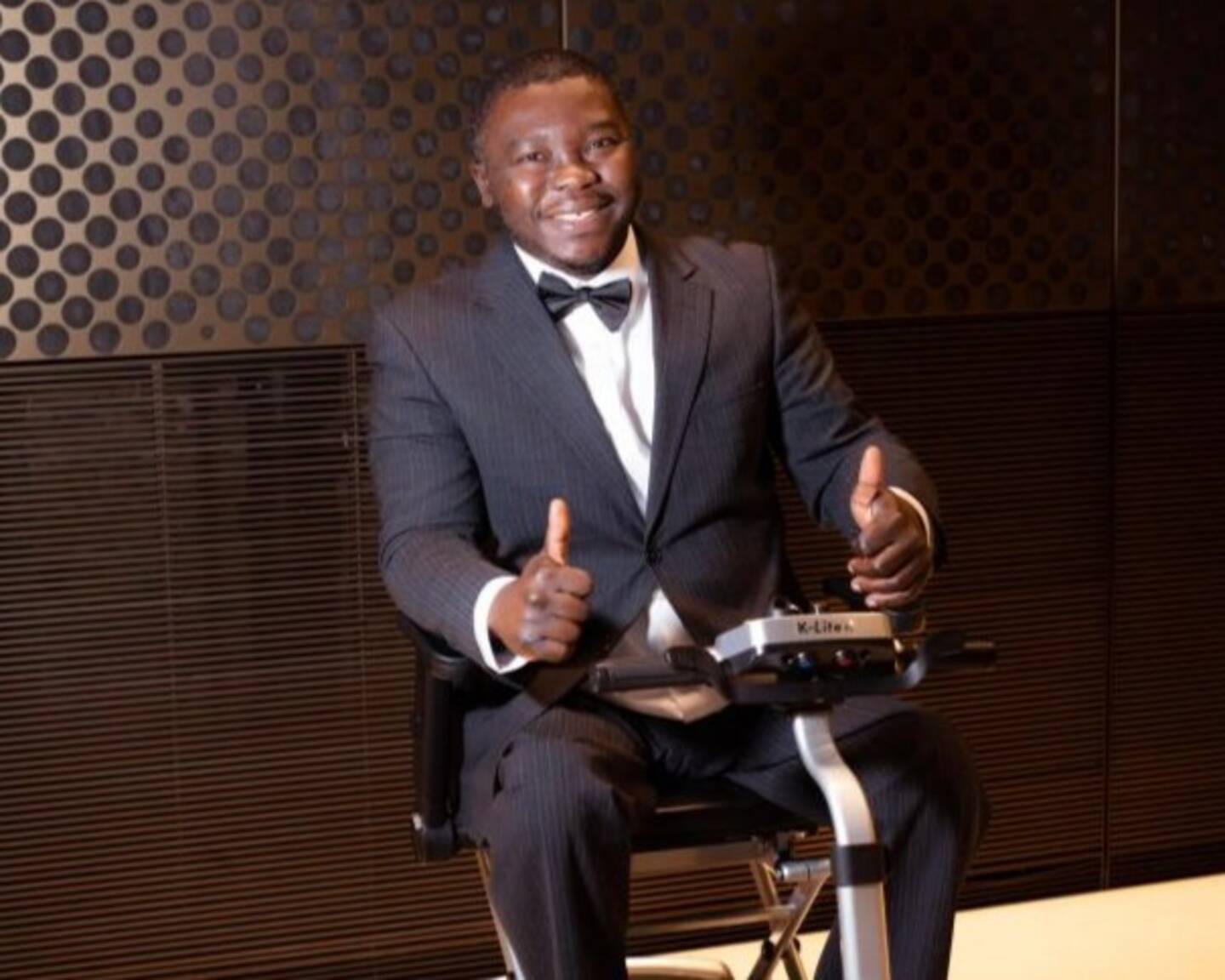
Physical barriers, confidence, accessibility, and perceptions about disability can all stand in the way. Yet for Paul Fosu, those barriers have never been a reason to step back. Instead, they have become the motivation behind his mission to help others move forward.
Living with the effects of polio and using a wheelchair himself, Paul understands first-hand the challenges disabled people can face when accessing physical activity, employment and volunteer opportunities. But he also knows the life-changing difference that inclusion can make.
Today, Paul is a fitness instructor, personal trainer and disability sports coach who is dedicated to helping disabled people discover what they can achieve.
And through the Include to Improve programme, led by Activity Alliance and Sport for Confidence, funded by Sport England, he is helping shape a more inclusive future for everyone.
From lived experience to leadership
Paul's journey into coaching began with a simple belief, that everyone deserves the opportunity to enjoy the physical and mental benefits of being active.
After qualifying as a fitness instructor and personal trainer, he began volunteering and working with disabled people and older adults in community settings. Over the years, he has delivered exercise sessions, chair-based activities and inclusive fitness programmes, supporting people to become more active and more confident in their own abilities.
But for Paul, coaching is about much more than exercise. He explains:
"It is about helping people believe they can do it."
Too often, disabled people are told what they cannot do. Paul wants to change that narrative.
"Sometimes people just need someone who understands their experiences and can show them what is possible."
As a disabled coach himself, he has seen how powerful representation can be.
"When disabled people see someone like them leading a session, it inspires confidence. They feel understood."
The importance of being heard
Paul joined the Include to Improve programme because he wanted to use his lived experience to influence change on a wider scale. As part of the Lived Experience Network, he has contributed his perspectives, experiences and ideas to help organisations better understand the realities disabled people face.
For Paul, being involved means more than sharing opinions. It means helping shape solutions. he said:
"We need disabled people involved in decisions that affect disabled people. It is important that organisations listen to people with lived experience because we understand the barriers and we understand what can make a difference."
This principle sits at the heart of Include to Improve, bringing together disabled people, organisations and partners to create more opportunities for disabled people to take part, volunteer and work in sports and activities.
Building confidence, creating change
One of the biggest barriers Paul encounters is confidence. Many disabled people want to be active but worry about being judged, feeling out of place, or not knowing where to start. Others have faced inaccessible environments or negative experiences in the past.
Paul said:
"People need encouragement and support. Sometimes they need somebody to motivate them and help them take that first step."
But confidence is not only something disabled people need. Paul believes organisations also need the confidence to challenge assumptions and think differently about inclusion. That starts by recognising the value disabled people bring, whether as participants, volunteers, employees or leaders.
"We can contribute. We can make a difference. We just need opportunities and the right support."
Inclusion is everyone's responsibility
While Paul has seen positive progress over recent years, he believes there is still more work to do. He would like to see more disabled people involved in planning activities, designing services and shaping organisations from the inside. For him, inclusion is not something that can be added at the end of a project. It must be built in from the beginning.
"If organisations want to support disabled people, they need disabled people around the table."
That means listening, involving and acting on lived experience. It means making reasonable adjustments. And it means creating environments where disabled people feel welcomed, valued and able to thrive.
More than a programme
With the Include to Improve programme coming to an end this Autumn, Paul looks back on an experience that has transformed both his personal and professional life. One word captures it best. Confidence.
Being part of the programme has helped him develop professionally, build relationships and find his voice. he said:
"There was a time when I would sit in meetings and not say anything, even when I had something to contribute."
Today, that has changed.
"I feel confident sharing my views. I feel listened to. I feel included."
That sense of belonging has been transformational.
By bringing people together, valuing lived experience and creating opportunities to influence change, Include to Improve is helping people like Paul not only contribute, but lead.
And through his coaching, advocacy and determination, Paul is helping ensure that more disabled people can see what is possible too.
Because true inclusion is not simply about removing barriers. It is about creating opportunities. It is about recognising potential. And it is about making sure everyone has the chance to participate, belong and succeed.