Disabled people help reshape Park Yoga after sharing lived experiences
For many people, joining a free yoga session in the park is a chance to enjoy fresh air, connect with others and improve their wellbeing. But for many disabled people, taking that first step isn't always straightforward.
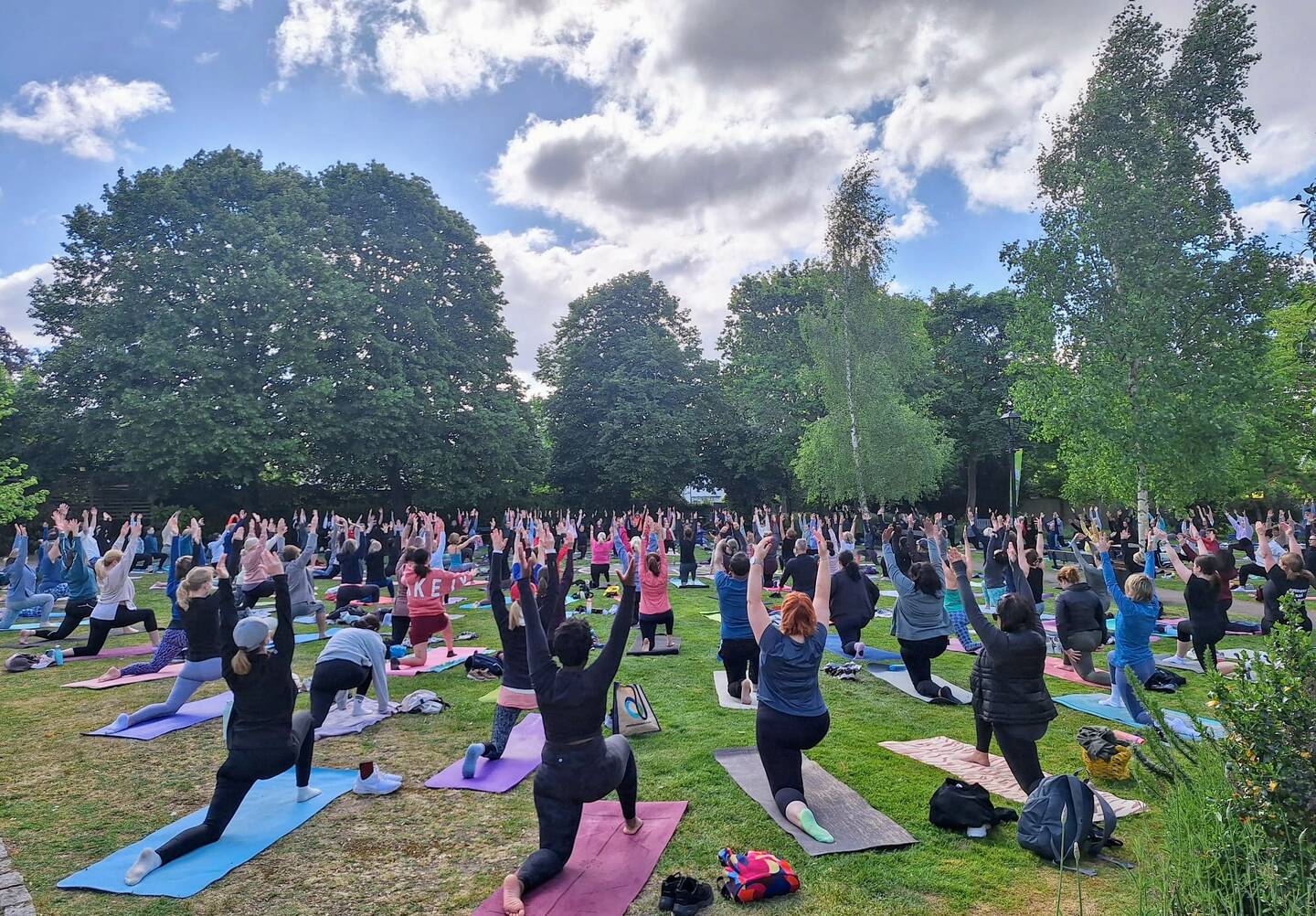
Park Yoga recently worked with the Include to Improve Lived Experience Network to better understand the barriers disabled people face when accessing outdoor yoga. Their honest feedback is already shaping improvements across Park Yoga, helping to create more welcoming and inclusive sessions for everyone.
Listening to lived experience
To create truly inclusive opportunities, it's important to listen to the people who experience barriers first-hand.
Working with members of the Include to Improve Lived Experience Network, Park Yoga invited disabled people to share their experiences of outdoor activities, what makes them feel welcome, what creates uncertainty, and what could help them feel more confident about attending a session.
The conversations revealed something powerful. Often, it isn't the yoga itself that creates the biggest barrier. It's everything that happens beforehand.
One participant explained:
"The smallest of unknowns can be big barriers when your body or energy is unpredictable."
The barriers start before the yoga begins
The research highlighted a range of concerns that many disabled people consider before deciding whether to attend.
Participants spoke about wondering whether there would be accessible toilets, somewhere to rest, or whether the instructor would understand their individual needs. Others worried about becoming tired, feeling embarrassed if they couldn't complete the session, or simply not knowing what to expect when they arrived.
These uncertainties can be enough to stop someone attending altogether.
A wider challenge for outdoor activities
The findings reflect a much bigger picture across the UK.
There are 16.8 million disabled people in the UK, accounting for almost one in four (25%) of the population. Yet fewer than half (46%) say it is easy to physically access outdoor spaces, compared with 81% of non-disabled people. Around one in three (31%) disabled people report difficulties accessing parks, countryside or woodland, according to Activity Alliance's Annual Disability and Activity Survey 2025-26.
These figures highlight why making outdoor activities more inclusive matters, not just for Park Yoga, but for communities across the country.
Inclusion starts long before someone arrives
One of the strongest messages from the research was that people begin deciding whether they belong long before they attend their first session.
Clear information about the venue, facilities and accessibility, welcoming language, diverse imagery and reassurance that every movement can be adapted all help people feel more confident about giving something new a go.
As one participant shared:
"Language and imagery on websites and marketing that unintentionally implies I need to be fit, flexible, super slim or brimming with confidence to belong."
Sometimes, small changes in communication can have a significant impact on whether someone feels included.
Turning feedback into action
The research identified several practical ways Park Yoga could become even more inclusive.
These include introducing buddy systems, offering taster sessions, providing clearer accessibility information, ensuring instructors receive disability awareness training, and using marketing that better reflects disabled people taking part.
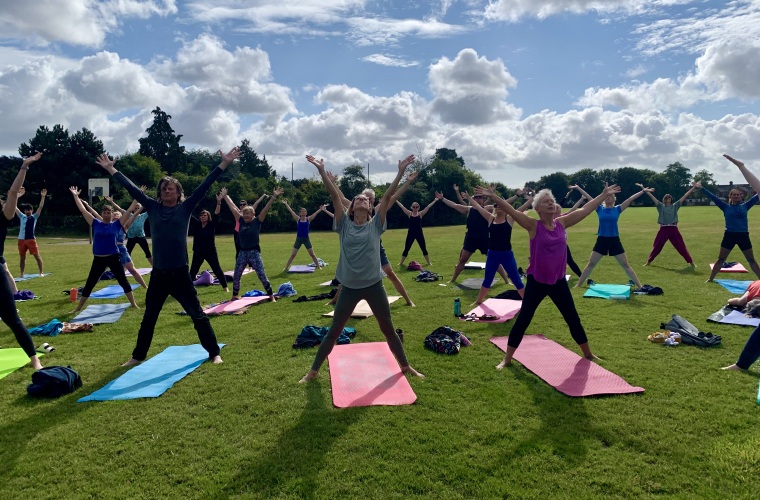 Rather than leaving the findings in a report, Park Yoga has already begun putting many of these recommendations into practice. Disability inclusion has been incorporated into instructor training, improvements to website accessibility information are underway, and new photography is being developed to better reflect the diverse communities attending sessions.
Why listening matters
Cathi Farrer-Mitchell, Director at Park Yoga, said:
"We have over 75 Park Yoga venues across the UK. It has always been about creating welcoming spaces where everyone can experience the physical and mental benefits of yoga in nature. This research has given us invaluable insight into the barriers that disabled people face, many of which we simply wouldn't have understood without listening directly to people with lived experience.
"Some of the changes we're making are surprisingly simple, but they could make a life-changing difference to someone deciding whether they feel confident enough to come along. We hope this work encourages not only more disabled people to join us but also inspires other organisations to put inclusion at the heart of what they do."
Anna Whitemore, Include to Improve Programme Advisor, added:
"Disabled people are the experts in their own experiences, so involving them in shaping activities is one of the most effective ways organisations can become more inclusive. This research shows that many barriers are not as a result of people's impairments, but by uncertainty, confidence and environments that haven't been designed with everyone in mind.
"By listening, acting on feedback and making thoughtful changes, Park Yoga is helping to create opportunities where more disabled people can feel they truly belong. That's exactly what the Include to Improve programme is all about."
Creating spaces where everyone belongs
The research was carried out with members of the Lived Experience Network, part of the Include to Improve programme led by Activity Alliance and Sport for Confidence, funded by Sport England. The programme creates more opportunities for disabled people to participate, volunteer and work in sports and activities.
For Park Yoga, the project has reinforced an important lesson. Creating more inclusive spaces doesn't always require major changes.
Sometimes it starts by listening.
By removing uncertainty, improving communication and making thoughtful changes, more people can experience the physical, mental and social benefits of spending time outdoors, feeling confident that Park Yoga is a place where they truly belong.
Find out more about the Include to Improve programme here.
Photo credit: Park Yoga