Bringing Ballroom to life for blind and partially sighted people
When blind and partially sighted dancers competed in their first ballroom competition this year, inclusive dance company Step Change Studios realised audio description for blind audiences was not a straightforward ask so they teamed up with VocalEyes to investigate how to turn ambition into reality.
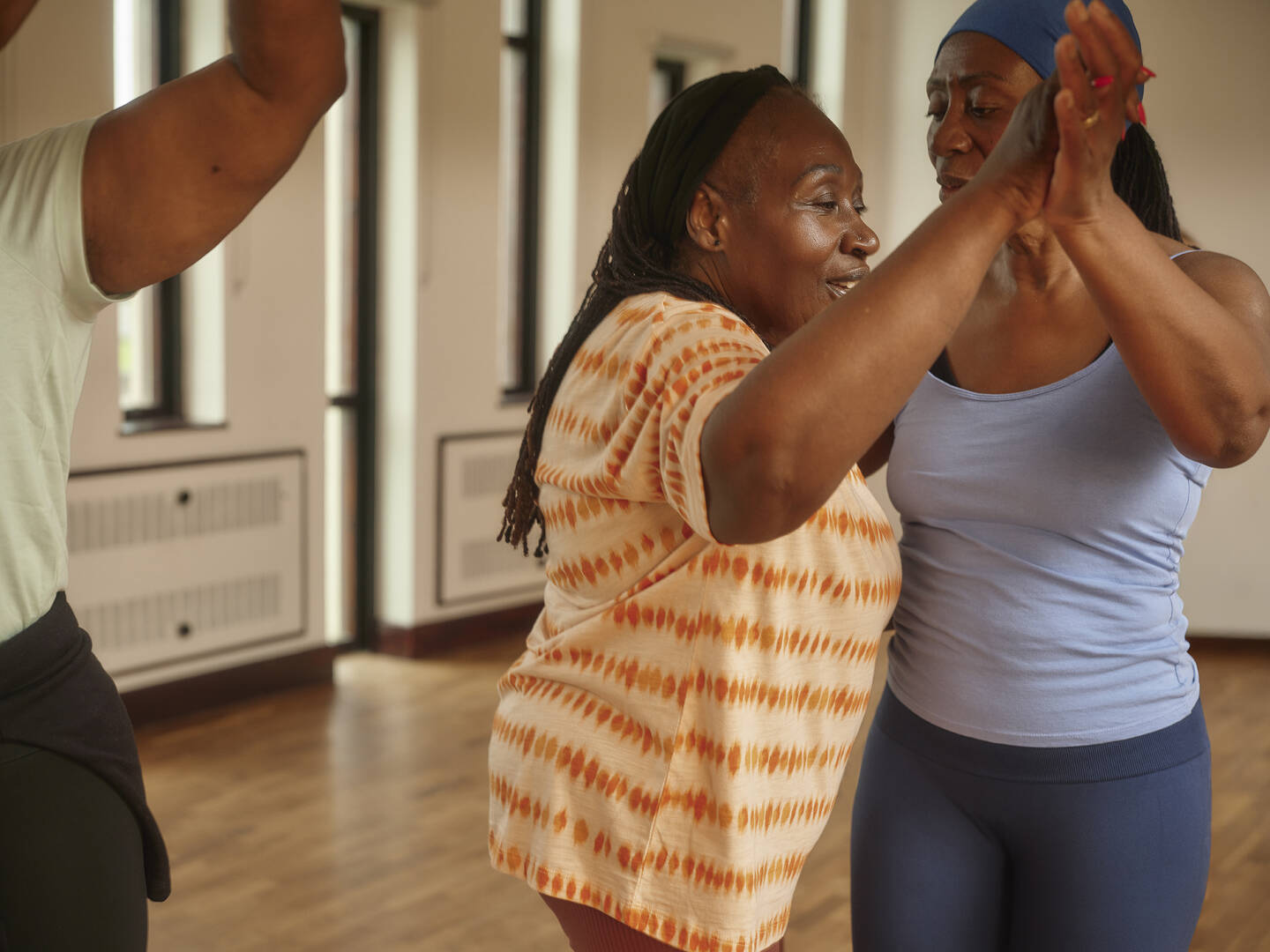
While many people are familiar with programmes such as Strictly Come Dancing, ballroom competitions can be a very different experience. Multiple couples dance at the same time, each round can last little more than a minute, and judges assess highly technical aspects of each performance.
Dr Rashmi Becker MBE, Founder of Step Change Studios explains how the collaboration with VocalEyes came about:
"We run the UKs only dedicated blind ballroom programme. In the past three years, competition participation has increased from 10 to over 30 dancers – no doubt helped by celebrity Chris McCausland’s Strictly win.
"As our students prepared to compete this year, I struggled to find audio describers for the event and realised that while audio description was established in other format such as dance theatre, it was missing from competitive ballroom. I approached VocalEyes and we formed a partnership to research how to support competitions to be more accessible to dancers and audiences with sight loss."
The research found that ballroom competitions present unique challenges for audio description, while also identifying several opportunities. These include:
- creating pre-recorded introductions to different dance styles and the competition format;
- piloting models of live description that focus on key moments rather than attempting to describe every movement; and
- considering how expert dance commentary could complement audio description.
The report also highlights the importance of careful preparation, close collaboration with organisers, and a strong understanding of the distinctive structure and language of competitive ballroom dancing.
VocalEyes CEO Claire Saddleton said:
"We believe everyone should have the opportunity to experience arts, culture and heritage in all its forms. So, when Step Change Studios approached us to explore audio description for ballroom dance competitions, we were delighted to join forces. Working with our brilliant audio describer, Willie Elliott, this project has given us valuable insights into the unique nature of competitive ballroom, and laid a strong foundation for future work.
"We're excited by the possibilities the research has opened up look forward to helping develop new resources and models of live description. We hope this project marks the first step towards making competitive ballroom dancing more accessible for blind and visually impaired participants and audiences alike."
Dr Becker hopes to translate this research into practice:
"The findings identify practical actions to enable blind and partially sighted people to follow competitive ballroom. We are sharing the research findings with colleagues in the ballroom sector and want to develop and pilot resources and audio description. We hope this will lead to wider adoption by national bodies and organisations involved in competitive ballroom."