Report highlights experiences of being active across impairment groups
A new Activity Alliance report highlights how experiences, barriers and support needs can differ depending on a person’s impairment, health condition and circumstances. The Annual Disability and Activity Survey 2025-26 Impairment Report draws on responses from 1,007 disabled people and people with long-term health conditions. It explores seven impairment groups, with 74% of respondents reporting more than one impairment.
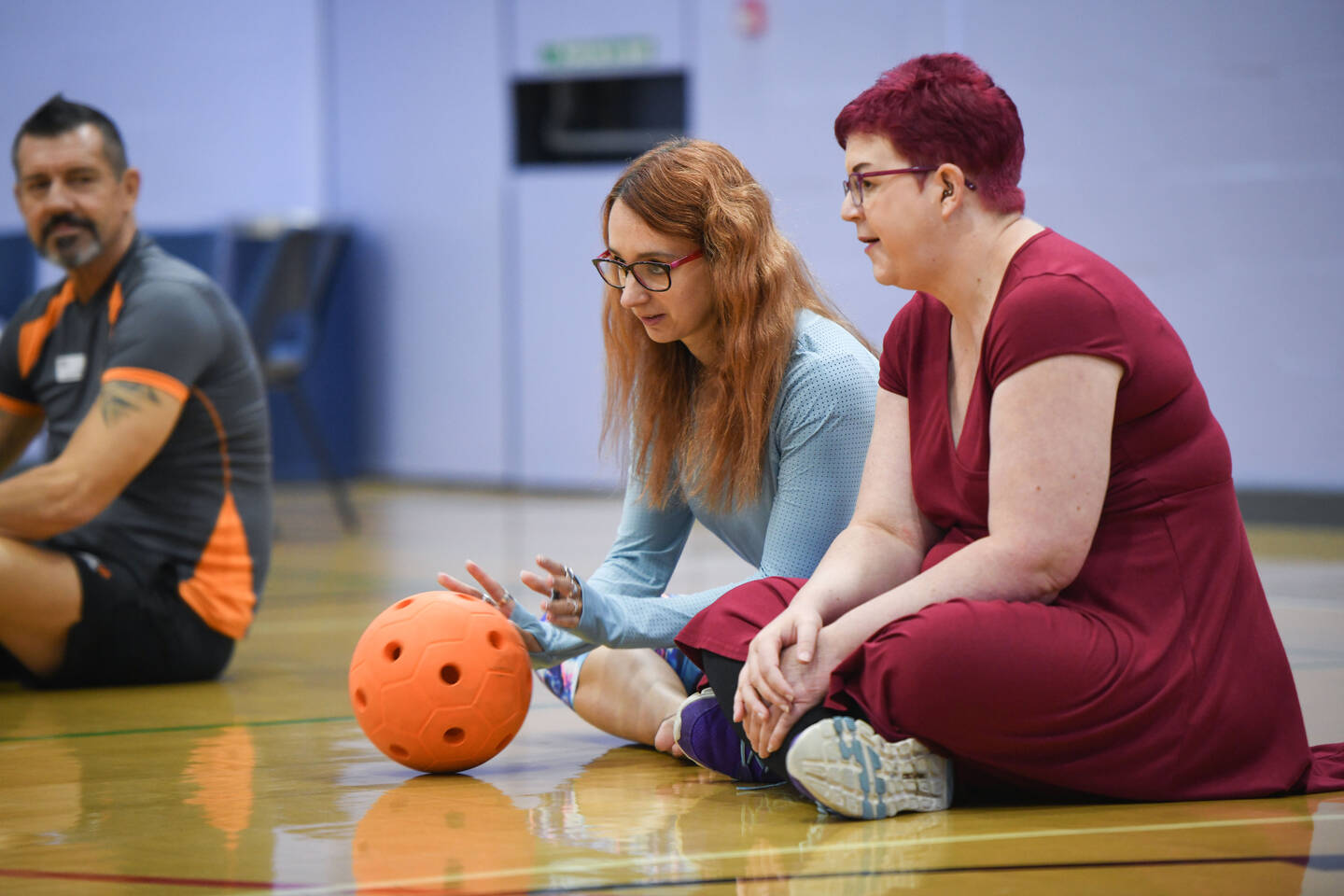
The findings show that while some challenges are shared, there are important differences in how people experience sport and activity.
A desire to be more active
Many disabled people want to do more activity, but do not always feel they have the opportunity to do so. For example, 76% of people with a mobility impairment wanted to be more active, compared with 41% who felt they had the opportunity.
People with social or behavioural impairments were also more likely to want to be more active than feel they had the opportunity.
The report highlights how barriers can vary between impairment groups.
For people with long-term health conditions, 79% said their condition or impairment was a barrier to being active, while 85% said their symptoms made activity difficult.
People with learning impairments highlighted mental health alongside physical and practical barriers, with 66% identifying improving mental health as a key reason for being active. Among people with mental health conditions, lack of motivation and confidence were important barriers.
Cost is another common issue. More than half of people with mental health conditions, and 57% of people with social or behavioural impairments, said the rising cost of living had affected their ability to be active.
Annabel Storer‑Carter, Research and Insight Manager, Activity Alliance said:
“This research shows that disabled people’s experiences of being active can vary significantly depending on their impairment and individual circumstances. While some barriers are shared, there is no one-size-fits-all solution. We need to listen to disabled people, understand the barriers they face and provide opportunities that are accessible, affordable and flexible, so everyone has a genuine chance to be active.”
Where people are active matters
Outdoor green spaces were a popular choice across several impairment groups, but access is not always straightforward. For people with mobility impairments, almost half reported difficulty physically accessing outdoor green spaces.
Online activity also provides an important option for some people, particularly those with learning, visual, mental health, and social or behavioural impairments.
The report also explores whether disabled people feel they belong in sport and activity, see people like themselves represented, and have opportunities to influence activities.
People with mobility impairments were least likely to feel they belonged in sport and activity. Only 9% said they had opportunities to work in sport or activity, compared with 21% of disabled people overall.
In contrast, people with visual impairments reported more positive experiences of belonging and representation, and were more likely to report opportunities to work in sport and activity and influence activities.
The findings reinforce the importance of moving away from a one-size-fits-all approach to inclusion. Creating meaningful opportunities to be active means understanding people's individual circumstances, providing choice and flexibility, and addressing practical barriers such as cost, transport, accessibility and confidence.
Key issues highlighted across the impairment groups include:
- access to suitable and affordable opportunities
- physical accessibility of places and spaces
- confidence, motivation and mental wellbeing
- transport and support needs
- concerns about the impact of activity on benefits
- seeing disabled people represented in sport and activity
- opportunities for disabled people to influence decisions
The report provides further insight into the different experiences of disabled people and can help organisations consider how their approaches can better respond to these differences.
Explore the full report
Read the Annual Disability and Activity Survey 2025-26 Impairment Report to explore the findings for each impairment group in more detail.
For more information about the research, contact research@activityalliance.org.uk.