
Activity Alliance responds to the Autumn Budget
We welcome measures aimed at easing the cost of living and providing greater financial security for vital support like carers. This recognises the pressures many disabled people continue to face. For many disabled people, the biggest barrier to being active is not motivation, it is affordability and the fear of losing financial support if they are seen to be active.
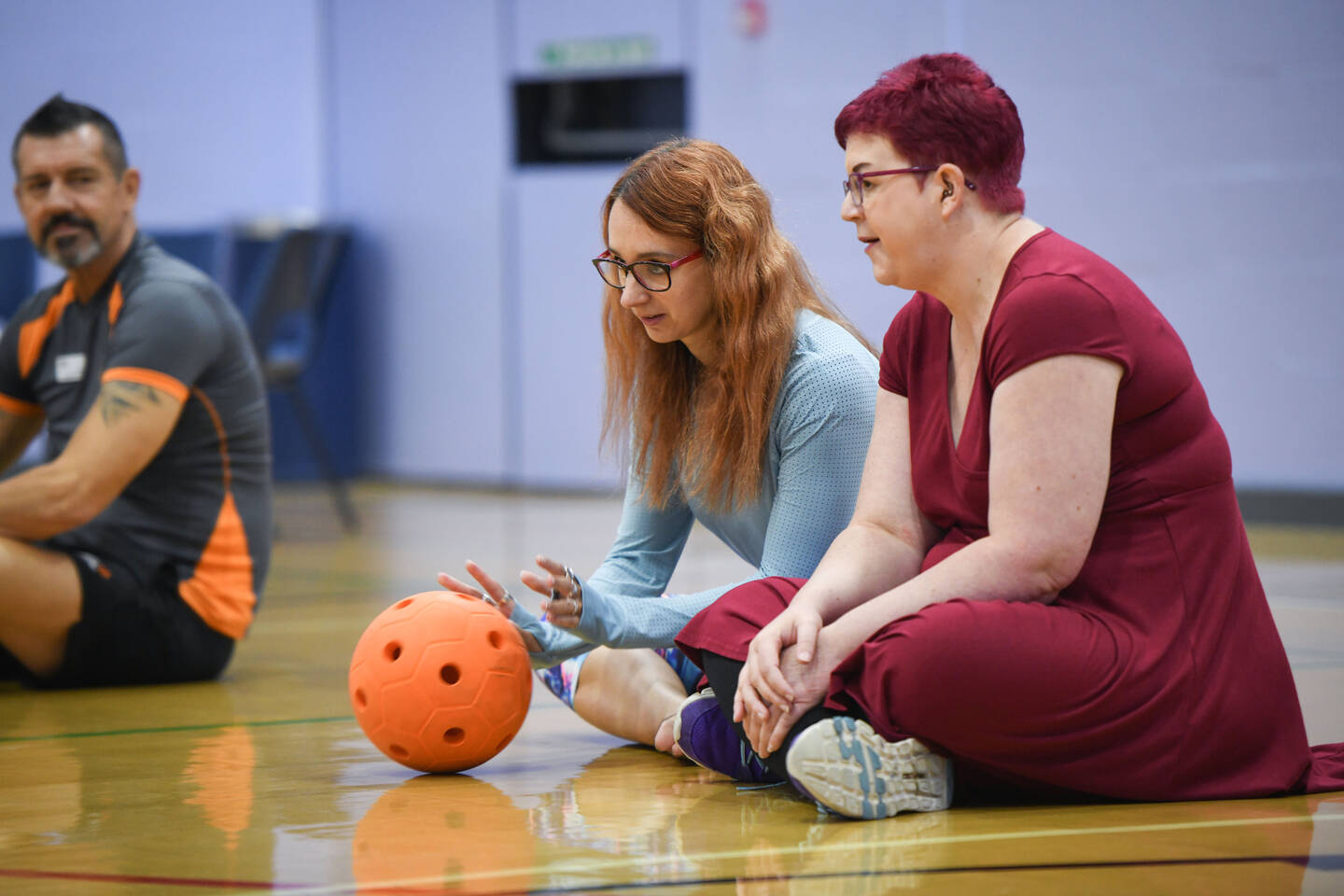
The new Dismantling the Activity Trap research released last week from Disability Rights UK and Durham University shows how urgent this issue remains. Eight in ten disabled claimants surveyed worried that being physically active could lead to their benefits being denied or removed, while nearly three quarters said they would be more active if they were confident, it would not negatively affect their benefits. More than one in four reported having benefits denied, reduced or removed in circumstances they associated with physical activity.
Activity Alliance first exposed this issue through our landmark 2018 Activity Trap research commissioned by Dwarf Sports Association UK. Our ongoing insight continues to show that benefits and financial assistance can be essential in enabling disabled people to be active, while fear of losing that support can prevent participation. The latest evidence reinforces our call for a social security system that recognises physical activity as a route to better health, wellbeing and connection, not as evidence that essential support is no longer needed.
Sport should belong to everyone. Being active should not depend on what someone can afford.
Disabled households face higher day-to-day costs, including transport, equipment, energy bills and the additional costs associated with taking part in sport and physical activity. When finances are stretched, activity is often one of the first things people are forced to cut back on.
While the Budget includes measures intended to support people into work, we urge the Government to ensure disabled people are not left financially worse off through future changes to disability benefits and assessments. Financial insecurity has a direct impact on health, wellbeing and opportunities to be active.
Accessible facilities, affordable transport, inclusive programmes and targeted community support are essential if disabled people are to enjoy the benefits of being active.
In England today, being disabled still means facing barriers that most non-disabled people never have to think about. This costs society £11 billion every year in lost social value. The cost for individuals is even greater. When supported to meet the Chief Medical Officers’ (CMO) physical activity guidelines, disabled people’s activity delivers £6,200 in social value per person per year - three to four times the value of non-disabled people being active.
At a time when disabled people are disproportionately affected by rising living costs and poorer health outcomes, we need sustained investment that makes being active a realistic choice for everyone, not a luxury. The Government's ambition to improve health, increase employment and reduce pressure on public services will only be achieved if disabled people can access the opportunities, environments and support they need to participate fully in society and in sport.
Sarah Brown-Fraser, Head of Communications and Policy, at Activity Alliance said:
“The extra costs of disability, combined with pressures on incomes and the fear that being active could put essential social security at risk, mean sport and physical activity remain out of reach for too many people.
“We are working with Government and other partners to ensure disabled people’s experiences inform any reform. With the final Timms Review of Personal Independence Payment and the Milburn Review due to report in coming weeks, the Government must ensure changes give more disabled people confidence to be active without risking their financial security.”
