
‘I’m more than my impairment': New approach to inclusive sports needed
A new report commissioned by Activity Alliance is calling for a more joined-up approach to inclusion in sport and physical activity, recognising how people’s different identities, circumstances and the environments around them combine to shape their experiences.
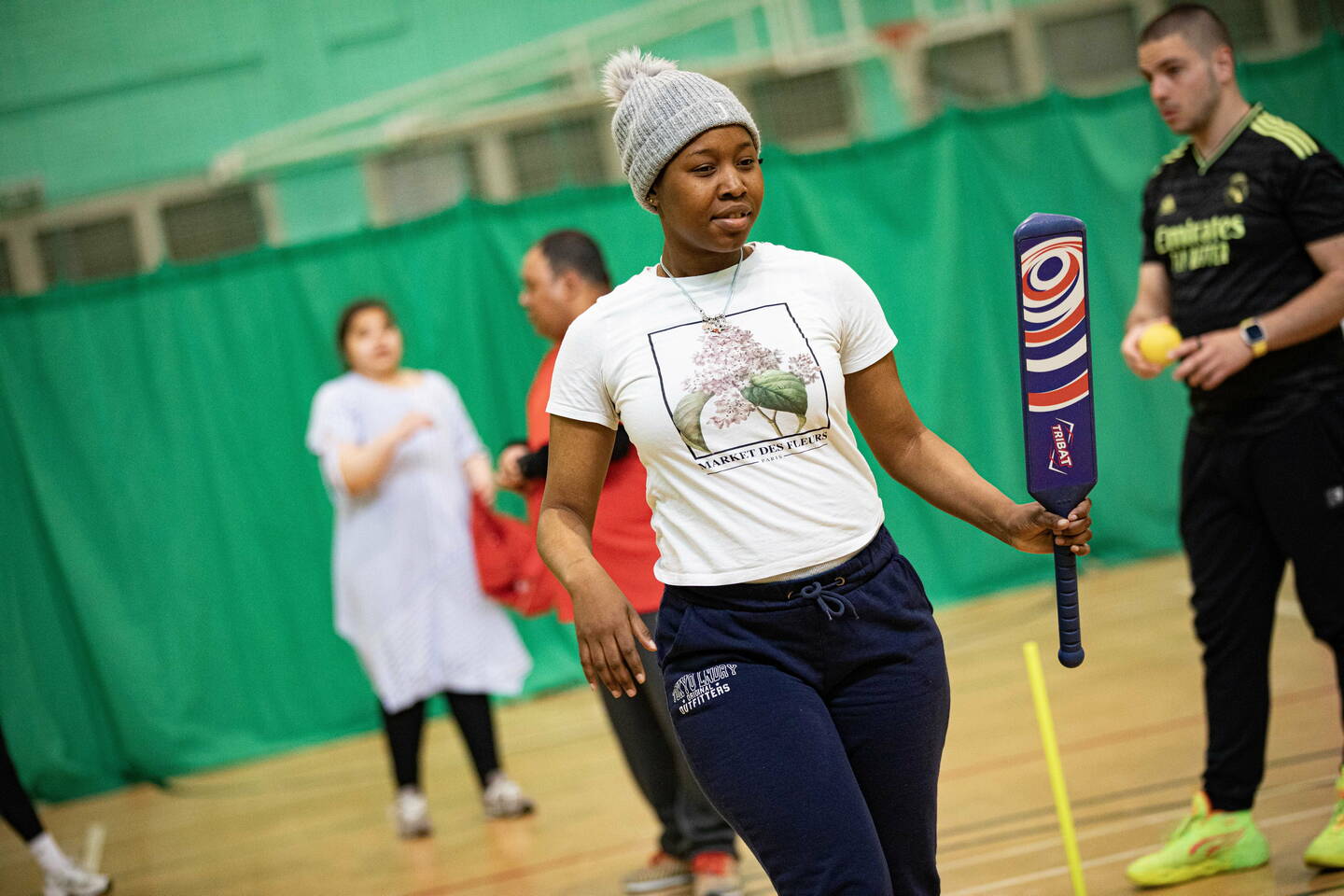
The research, conducted by the Centre for Social Justice in Sport and Society at Leeds Beckett University, explores how intersectionality is understood and applied across place-based sport and physical activity.
Intersectionality considers how aspects of a person’s identity, such as disability, gender, ethnicity, age and socioeconomic status, interact with wider factors including transport, employment, health services and social attitudes. These can create different, overlapping barriers to being active.
Disabled people have different identities, experiences and circumstances that shape their opportunities to take part in sport and physical activity. Someone’s impairment or health condition is just one part of who they are.
The research highlights why understanding the whole person matters. Inclusive sport cannot rely on a one-size-fits-all approach or focus on impairment alone. By listening to people, understanding the barriers they face and adapting provision to meet different needs, organisations can help create more inclusive opportunities for everyone.
Understanding the whole person
The research included a survey of 104 people, 18 interviews with practitioners and strategic leads, and a review of existing training and professional development resources.
Two-thirds of survey respondents said they had a good or excellent understanding of intersectionality, but fewer than half felt confident explaining it to others. More than half of respondents said their organisation did not use the term, with some describing it as too academic, jargon or not community-friendly.
However, the findings suggest that inclusive practice is already happening in many communities, even when it is not described as intersectionality. Practitioners and organisations may use terms such as inclusion, diversity and person-centred approaches instead.
The research highlights the importance of local knowledge and listening to people’s experiences. Delivery staff who are closely connected to their communities can recognise and respond to people’s needs, helping to move beyond assumptions and one-size-fits-all approaches.
Catherine Slater, Head of Partnerships and Operations, Activity Alliance said:
“Disabled people are not one single identity group, and creating truly inclusive opportunities means understanding the whole person, not just their impairment. This research highlights the importance of listening to people, learning from local communities and working together to address the different barriers people face. By building on the good practice already happening and giving the workforce the right tools and support, we can ensure everyone feels they belong in sports and activities.”
Hayley Fitzgerald, Professor of Disability Sport, Leeds Beckett University said:
“This research is the first of its kind in the sports sector to examine workforce engagement with intersectionality at a community level. Intersectionality can be seen as a complex idea but at its heart is a recognition that our unique backgrounds and identities interconnect to influence opportunities in sport and physical activity. By showcasing current success stories and uncovering critical gaps, this research provides a vital roadmap for the sector”.
Turning good practice into lasting change
The report also identifies a gap between practice and policy. Intersectionality is not yet widely embedded in organisational policies and strategies, and many respondents were unsure whether it was formally reflected in their organisation’s approach.
More practical support could help close this gap. More than seven in ten respondents said they would benefit from additional support, while the research identified a shortage of sport-specific training and resources to help the workforce apply intersectional thinking in everyday practice.
The report makes three key recommendations:
- Develop practical training and resources with real-life examples to help the workforce understand intersectionality and apply it in sport and physical activity.
- Review policies, strategies and programmes to consider who is included, who may be missing, the barriers people face and how provision can better reflect local communities.
- Make intersectionality an ongoing priority, regularly reviewing approaches as communities and people’s circumstances change.
Stronger partnerships are also important. Working across sport, health, education, transport, social care and community organisations can help address the interconnected barriers that affect participation.
The findings highlight an opportunity for the sport and physical activity sector to build on inclusive work already taking place, giving professionals the tools and support to better understand people’s different experiences and create more accessible opportunities to take part in sport and physical activity.
