
Sport belongs to everyone, so should the opportunity to work
Sport belongs to everyone. That means more than being able to take part. It means feeling welcome, being valued and having the opportunity to shape the organisations that deliver sport and physical activity.
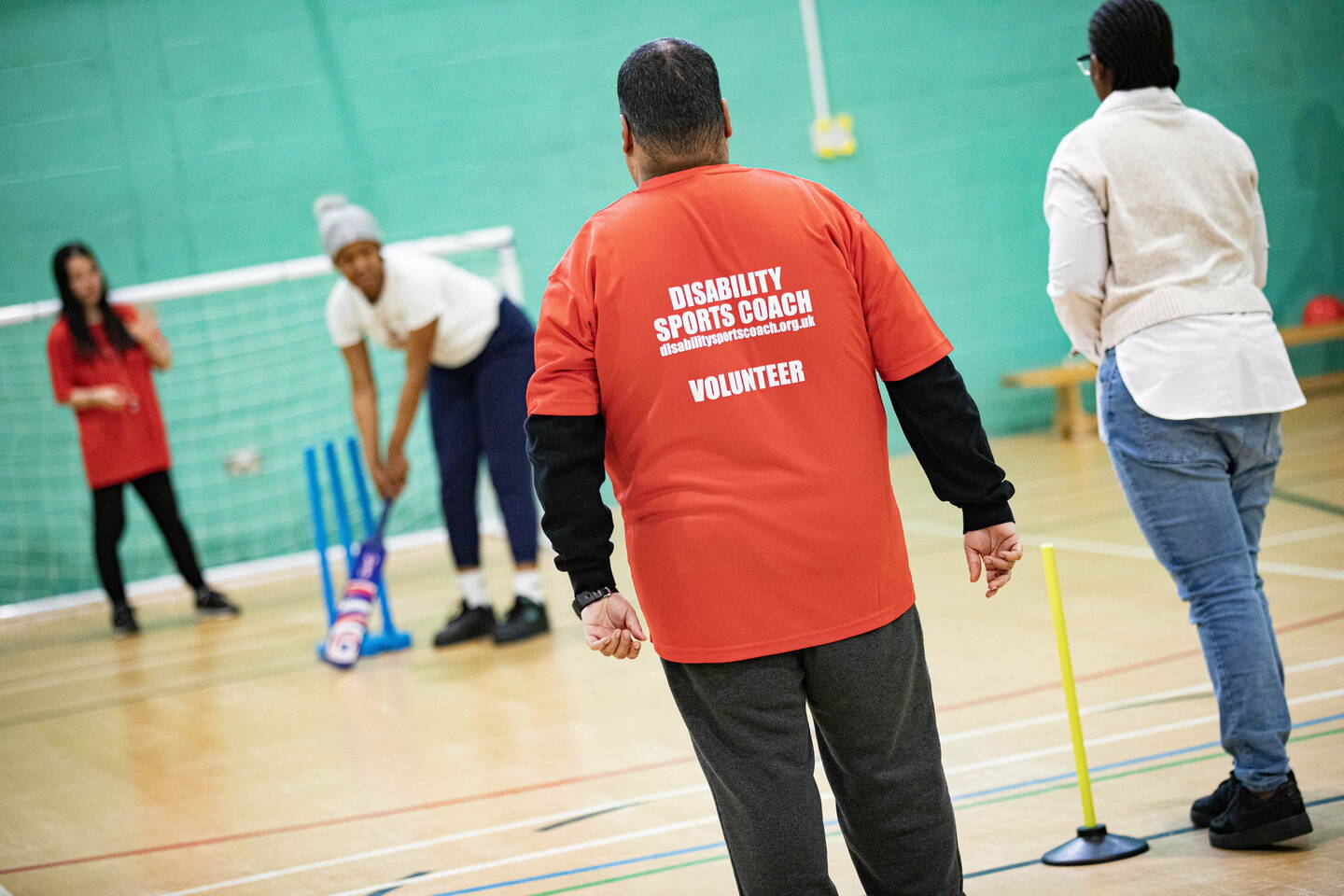
At Activity Alliance, we want a future where disabled people feel they belong - on the pitch, in the workplace and in their communities. Inclusive employment must be part of that future.
This is about fairness, but it is also about what we value as a society. We should recognise disabled people’s skills, ideas and lived experience, rather than allow barriers to keep opportunities out of reach.
Remove barriers, not opportunities
The figures in the Government’s annual disability employment publication put the disability employment gap - the difference between the employment rates of disabled and non-disabled people - at around 30 percentage points. Behind that gap are people whose ambitions and talents deserve to be recognised.
We need to change the conditions that exclude people. Inaccessible workplaces, limited transport options and a lack of appropriate support can stand between disabled people and employment. Policy must address those barriers, not place the responsibility on individuals to manage them alone.
For young disabled people, routes into work must be flexible and supportive. Part-time roles, accessible recruitment and support that recognises fluctuating health conditions should be part of the conversation. The test for any employment initiative must be whether it creates meaningful opportunities that work for the individual.
Support people to live, work and be active
Employment policy cannot be separated from the support disabled people need to live independently. Personal Independence Payment (PIP) is not an out-of-work benefit. It can support everyday life, including the ability to be active, connect with others and work.
The Dismantling the Activity Trap report released in October, highlights a troubling concern. 80% of disabled claimants surveyed worried about being physically active because they feared their benefits could be denied or taken away.
No one should feel they have to choose between being active and keeping essential support. We want policy that gives disabled people confidence to take part, without fear that doing so will count against them.
Put belonging into practice
For the sport and physical activity sector, inclusion must extend to who gets recruited, supported and given the opportunity to progress. Disabled people should have a place not only as participants, but as colleagues and leaders.
Our Include to Improve programme, led with Sport for Confidence and funded by Sport England, is helping organisations test approaches to inclusive recruitment, workplace support and career pathways. It challenges stigma and recognises lived experience as a strength.
That is the value we want to see across society- disabled people’s contributions recognised, opportunities opened up and belonging built into everyday decisions.
Employers can start with these practical Include to Improve resources:
- Workplace Adjustment Functional Examples (CIMSPA endorsed)
- Workplace Adjustments Lived Experience Examples (CIMSPA endorsed)
Kate’s story shows what this can look like in practice. Alternative recruitment approaches, occupational therapy support and recognition of lived experience can open doors to meaningful employment while strengthening organisations.
Through Include to Improve, we worked with Inclusive Employers and BASE to offer an end-to-end recruitment audit and HR consultancy support for members of our Strategic Partner Network. Explore the Include to Improve support offers to find out more.
Richard Elliot, HR Support and Employer Lead at BASE said:
"Everybody deserves the right to be able to bring their very best selves to work. Everybody. And surely that's a good thing.
"Lean into it. Be curious. Ask questions. Employers should understand that there is a rich array of talent out there that you might not be accessing. Those employers should understand that employing a disabled person brings with it many advantages, not disadvantages.
"We need to understand what the barriers are that prevent disabled people from accessing employment and how to overcome them. This doesn't have to be for just disabled people, but for everyone."
Turn commitments into action
We are calling on policymakers to make inclusive employment a priority:
- Design policy with disabled people, so their experiences shape decisions about employment, benefits and access to sport and physical activity.
- Tackle practical barriers, including inaccessible workplaces, transport and gaps in support, alongside flexible routes into work.
- Protect the support people need to live independently, and make sure being active is not treated as evidence that support is unnecessary.
Employers, including organisations across sport and physical activity, have a part to play too:
- Review recruitment and progression with disabled people. Remove avoidable barriers and value lived experience alongside other skills.
- Make workplace adjustments and flexibility part of everyday practice, with clear conversations about the support each person needs.
- Use the Include to Improve resources and sign the Disability Employment Charter to add your voice to calls for policy change.
Sport belongs to everyone. Let’s make that belief visible in who we welcome, who we employ and whose voices shape the future.
