What is disability inclusion training?
Disabled people account for nearly one in four of the population in the UK, around 16.1 million individuals. Disability inclusion involves understanding and removing the physical, social and attitudinal barriers that prevent disabled people from thriving in all aspects of life, including sport and physical activity.
Activity Alliance is the leading voice for disabled people in sports and activities. Through a range of actions, including our disability training opportunities, we hope for a future where all disabled people feel they belong in sports and activities.
What is disability inclusion training?
Disability inclusion training is about giving people and organisations the understanding, confidence and practical tools they need to include disabled people fully and fairly in sports and activities. That might involve changing attitudes, improving access or physical environments, or building a culture of inclusion across your organisation.
Our training courses and learning opportunities are a mixture of eLearning, webinars and in-person workshops to help coaches, teachers, staff and volunteers feel prepared to support disabled participants and recognise that even small actions can go a long way in making a big difference.
During our sessions, you’ll explore:
- Understanding disability – recognising the wide range of visible and hidden disabilities, including physical, sensory, learning, neurological and developmental impairments/conditions.
- Creating inclusive environments – how to design sessions, facilities and events so that everyone who takes part feels welcome, confident and safe.
- Challenging bias and assumptions – breaking down common myths and misconceptions that can unintentionally exclude people.
- Practical inclusion skills – from making reasonable adjustments and adapting sessions, to using accessible communication and equipment.
- Communication and research - Recognise how good communication overcomes barriers and builds trust, and learn strategies to design and deliver your own research.
- Legal and ethical responsibilities – what the Equality Act 2010 and inclusive practice mean for sport, clubs and community organisations.
- Connect with partners and other organisations - access further support, training and opportunities for yourself and disabled people you work with.
As a CIMSPA Education Provider, all our training content follows the CIMSPA Working Inclusively (working with disabled people) Population Standard, and learners will receive CIMPSA points on completion.
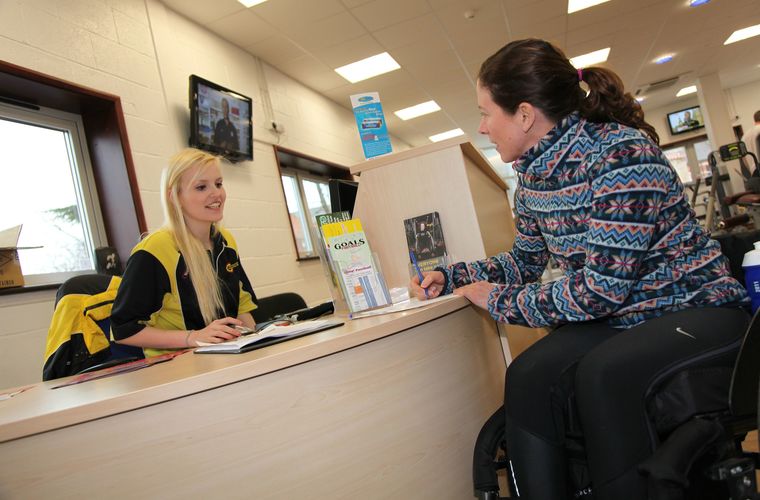
Disability inclusion training courses
View Activity Alliance's training, workshops and courses to help you and your staff be more inclusive for disabled people in sports and activities.
Who is our disability inclusion training for?
Our training courses are suitable for many people involved in sport and physical activity. This includes:
- Coaches and trainers
- Club administrators and event organisers
- Teachers, teaching assistants, trainee teachers and lunchtime support staff.
- Leisure centre staff
- Marketing, communications, or research professionals working in the sport, physical activity and leisure sectors
- Volunteers
Why disability inclusion is important
Disability inclusion is about more than accessibility; it’s about fairness and opportunity.
Insight from our latest Annual Disability and Activity report found that only 4 in 10 disabled people (41%) feel they are given the opportunity to be as physically active as they want to be, yet seven in ten disabled people (76%) want to be more active.
That clearly isn’t fair, and it isn’t right. Disability inclusion training helps to break down those barriers and ensures that sport and physical activity are truly open to everyone.
Here’s why it matters:
1. Breaks down barriers
Disability inclusion training demystifies disability, challenges misconceptions and provides a safe space to learn and ask questions. It equips you and your team with the confidence, language and understanding to welcome disabled people proactively and enthusiastically.
2. Boosts confidence and wellbeing
Taking part in sport has huge physical, mental and social benefits. By removing barriers, you help more people experience the joy and health advantages of being active, such as building confidence, connection and independence.
3. Makes sport stronger
Inclusive environments bring together diverse abilities, perspectives and ideas, which enrich teams, clubs and communities. Coaches, teachers and staff who understand inclusion create more creative and empathetic environments where everyone can thrive.
4. Builds a culture of respect and belonging
When inclusion becomes the norm, not the exception, everyone feels valued. Staff, coaches, and volunteers gain the confidence to organise activities, address inequalities and communicate openly.