
How wheelchair tennis is serving up inclusion for the future
As Wimbledon gets underway, wheelchair tennis is marking a major milestone: 50 years since the sport began in 1976. It is a moment to celebrate how far the sport has come, from grassroots beginnings to a professional world tour and a place at the Grand Slams and Paralympic Games. It is also a reminder that many disabled people still face barriers to taking part in sports and activities.
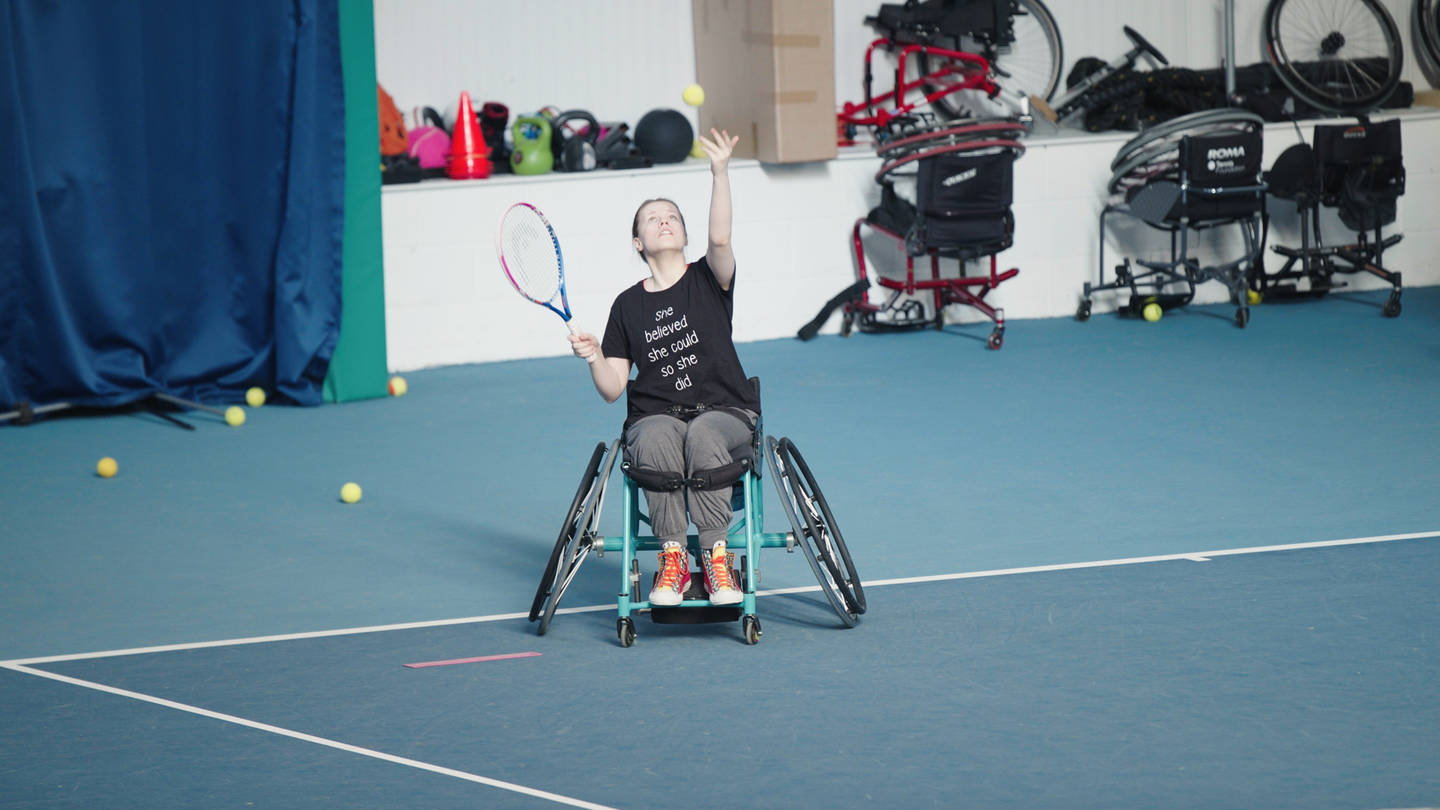
This year, the LTA and Getty Images are celebrating the anniversary with a digital exhibition of 50 images, some published for the first time. The images were chosen with people from the wheelchair tennis community, including Jayant Mistry.
Celebrating 50 years of wheelchair tennis
Jayant is a former Activity Alliance staff member, a former British No.1, a four-time Paralympian and the first Wimbledon wheelchair men’s doubles champion, winning the title in 2005. He said:
“From representing my sport at the highest level and being part of the legacy of London 2012, to coaching future players, commentating on the biggest events and working with Activity Alliance to create more inclusive opportunities, wheelchair tennis has been at the centre of my journey. Celebrating 50 years of the sport is a chance to honour its pioneers and inspire the next generation.”
More investment and more opportunities - opening up tennis for everyone
The anniversary comes as the LTA increases funding for wheelchair tennis by more than 20%, and funding for wider disability tennis formats by more than 25%. This includes more competition opportunities through the LTA’s Disability Competitions Calendar and Open Court programme.
The extra funding has supported higher prize money at the Lexus British Open Roehampton and more community activity. At LTA grass court events in Birmingham, Ilkley, Nottingham, Eastbourne and Roehampton, spectators have been able to try wheelchair tennis using specialist sports wheelchairs.
There has also been progress across other disability tennis formats. This includes a new Learning Disability and Autism tournament at the Lexus Nottingham Open, support for para standing tennis in Surbiton, a deaf tennis showcase in Eastbourne, and a first test of visually impaired tennis on grass at Roehampton.
The LTA has also signed an agreement with Special Olympics Great Britain to grow opportunities for people with learning disabilities. The aim is to build more links between Special Olympics clubs and tennis venues, so more people can try and enjoy tennis close to home.
Scott Lloyd, LTA Chief Executive said:
“The LTA’s vision is Tennis Opened Up. We believe it should be a sport for everyone – and that disabled people should not face additional barriers to playing tennis.
“We’re proud to be investing more in our disability competitions this year, both in our highest profile wheelchair tennis event, but also in new learning disability and autism, visually impaired, para standing and deaf tennis events.
“We are lucky to have very talented players in Britain in all these formats, including world champions and international gold medallists, and we are looking forward to supporting these formats of tennis with more events and opportunities to play and compete.”
Why accessible facilities matter
But the wider picture is still unequal. Activity Alliance’s latest Annual Disability and Activity Survey, released this month, shows disabled people are still less likely to have the chance to be as active as they would like (52% compared to 74% of non-disabled people). It also shows that disabled people are more likely than non-disabled people to want to do more physical activity (67% compared to 54% of non-disabled people). Cost, access, confidence, belonging and the quality of local spaces all affect whether people can take part.
This matters for policy now. The Department for Culture, Media and Sport, working with Sport England and partners, is investing at least £400 million in new and upgraded grassroots sport facilities between 2025 and 2030. That funding must reach the places and people who face the biggest barriers, including disabled people. Accessible changing areas, step-free sites, clear information, trained staff, affordable sessions and the right equipment should be built in from the start, not added later. For tennis in particular, access to covered tennis facilities are particularly important for disabled people, as formats such as visually impaired tennis, rely on a sheltered, quiet environment which allows for year-round, all-weather play.
Making inclusion the starting point
Facilities are only part of the answer. Disabled children and young people also need inclusive school sport and PE. British wheelchair tennis player Ruby Bishop has campaigned for PE teachers to better understand the needs of disabled children. Her message is simple- inclusion has to start early, so disabled pupils can build confidence, skills and a lifelong connection with being active.
This is timely. The Government’s work on youth policy and Special Educational Needs and Disabilities (SEND) gives decision makers a chance to make inclusive PE a clear priority. Activity Alliance continues to call for that change, because every child should have the choice and support to take part.
Activity Alliance is also part of Inclusion 2028, a Department for Education-funded programme led by the Youth Sport Trust. It supports schools to improve PE, school sport and physical activity for children and young people with SEND. The programme brings together organisations including Activity Alliance, nasen, ParalympicsGB and Swim England to help more pupils feel included and able to thrive.
Sarah Brown-Fraser, Head of Communications and Policy, at Activity Alliance, said:
“Wheelchair tennis shows what is possible when disabled people have the right investment, visibility and opportunity. In 50 years, it has become one of the few disability sports with a fully professional world tour, but progress at the top must be matched by change in every community. Government investment in grassroots facilities must be designed around disabled people’s needs from the start, and PE and school sport must be inclusive for every child. If we want more disabled people to be active, we need policy, funding and delivery to remove barriers, not reinforce them.”
Fifty years of wheelchair tennis shows what can change when ambition is backed by action. The policy challenge now is to make inclusion the starting point, not the exception. That means investing in accessible local facilities, supporting inclusive PE and school sport, and making sure disabled people help shape the decisions that affect their lives. If we get this right, more disabled people will have the choice, confidence and opportunity to be active in the places they live, learn and belong.