Timms Interim Review shines spotlight on 'Activity Trap'
Today’s publication of the interim findings from the Timms Review of Personal Independence Payment (PIP) marks a significant moment in the debate about how disabled people are supported to live independent, healthy and active lives. The review concludes that, while PIP remains highly valued, the current system is “not working” and is “no longer fit for purpose”.
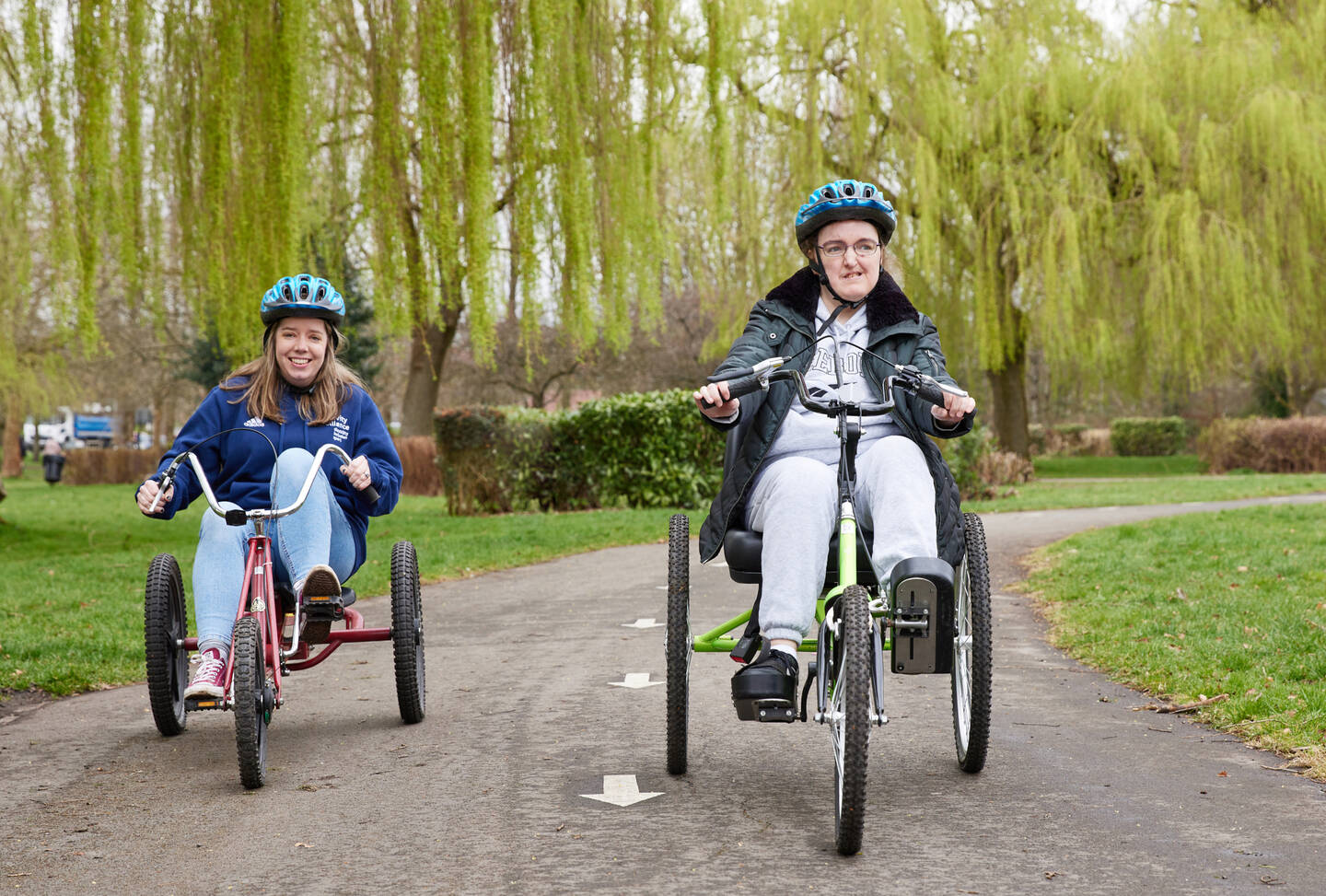
For the sport and physical activity sector, the interim report echoes concerns Activity Alliance and disabled people have raised for years. The fear of losing benefits can discourage people from taking part in physical activity, as well as volunteering, work and wider community life.
Sir Stephen Timms, Minister for Social Security and Disability, said the evidence gathered so far shows PIP is not working either for disabled people or for a government committed to supporting them. Drawing on more than 38,000 responses, the review identifies a need for bold reform and highlights concerns that the system can unintentionally create barriers to participation.
These findings closely reflect Activity Alliance’s landmark Activity Trap research, commissioned by Dwarf Sports Association UK. Published in 2018, the report found that almost half (47%) of disabled people surveyed feared losing benefits if they were seen to be physically active. More than half (55%) said they would be more active if they did not believe their benefits were at risk, while 65% reported relying on benefits to enable them to be active.
The next phase of Activity Trap research is being led by Disability Rights UK’s Get Yourself Active programme in partnership with Durham University. The project is exploring disabled people’s current experiences of applying for benefits in relation to physical activity, including where fear of reassessment or financial punishment affects people’s choices.
The original research also showed how much disabled people value physical activity. More than four in five respondents wanted to be more active and believed being active was important. Participants described activity as supporting pain management, mental wellbeing, confidence and social connection.
This issue is still reflected in Activity Alliance’s ongoing Annual Disability and Activity Survey. The latest findings show many disabled people continue to rely on benefits or financial assistance to be active, while some say fear of losing support prevents them from trying to do more. This underlines why PIP reform must recognise physical activity as a route to better health, wellbeing and connection, not as evidence that support is no longer needed.
For organisations working to create a more active nation, this matters. Disabled people remain one of the least active groups in society, despite the significant physical, mental and social benefits regular activity can bring. If people feel they must choose between protecting essential financial support and being active, the result can be poorer health outcomes and reduced inclusion and independence.
The Timms Review does not yet make recommendations, which are expected in autumn 2026. However, the interim report signals recognition at the highest levels of government that the current system may be creating unintended barriers to participation and independence.
Adam Blaze, Chief Executive of Activity Alliance, said:
“Disabled people should never feel that being active could put the support they rely on at risk. Physical activity can play a vital role in improving health, wellbeing, confidence and connection, but too many people still face barriers that prevent them from taking part in the way they choose. As the Timms Review progresses, there is an important opportunity to ensure future reforms encourage disabled people to be active, rather than creating fear that doing so could jeopardise essential support.”
The evidence from the Timms Interim Review, The Activity Trap and ongoing research points to the same conclusion. Disabled people should never feel that becoming more active puts their social security at risk. A benefits system designed to support independence should empower people to pursue healthier, more active lives and participate fully in society.