Every movement matters in refreshed UK CMO activity guidance
Activity Alliance welcomes refreshed UK Chief Medical Officers’ physical activity guidelines, with stronger evidence that even small amounts of movement can deliver meaningful health benefits.
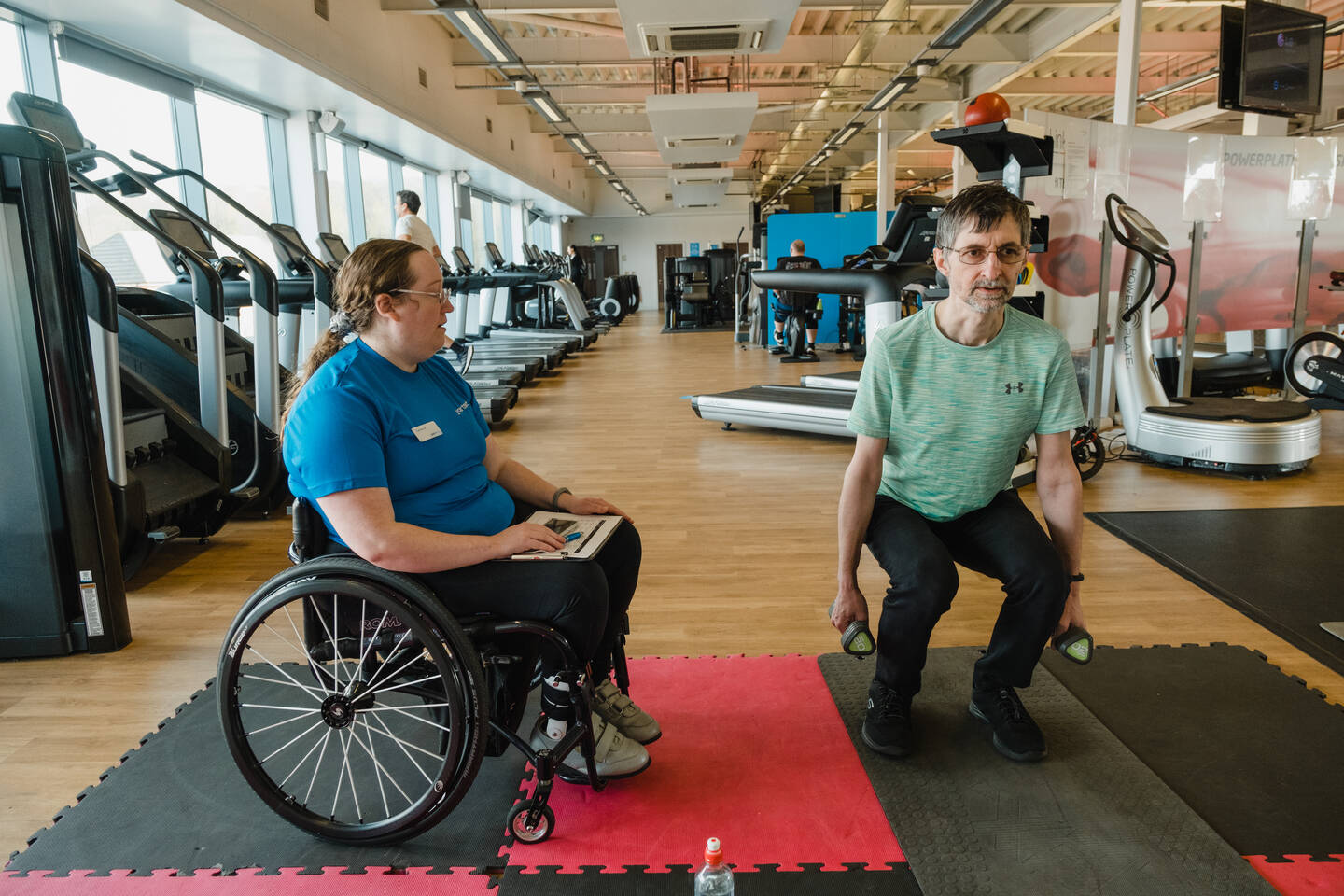
Disabled people and those living with long-term health conditions stand to gain from updated UK Chief Medical Officers’ (CMO) physical activity guidelines published today. The refreshed guidance reinforces a simple but powerful message that any movement is better than none, and every movement counts.
The guidelines maintain the existing recommendation of 150 minutes of moderate activity a week for adults. But they place far greater emphasis on the health benefits of ‘light activity’, building movement into everyday life, reducing prolonged sitting, and recognising that people can benefit even when they do not meet formal activity targets.
For disabled people and those living with long-term health conditions, this is particularly significant.
For many years, activity messaging has often focused heavily on achieving prescribed targets. While with good intention, that approach has sometimes felt out of reach for people facing barriers linked to impairment, pain, fatigue, fluctuating health conditions or inaccessible environments.
The new guidance acknowledges a growing evidence base showing that the biggest gains come when people move from inactivity to doing some activity, however small. It also explicitly highlights that the benefits of physical activity outweigh the risks for most disabled people and people with long-term health conditions.
This aligns closely with what disabled people have consistently told Activity Alliance. Physical activity is not only about achieving health targets. It is about feeling included, independent, connected and able to participate in everyday life.
The importance of this shift is reinforced by Activity Alliance’s groundbreaking Social Value of Disabled People’s Physical Activity report, published in December 2024. The research found that disabled people experience wellbeing benefits from physical activity that are three to four times greater than those experienced by non-disabled people. A disabled person meeting the CMO activity guidelines generates an estimated £6,200 of social value per year, while even lower levels of activity deliver substantial benefits.
Crucially, the research showed that disabled people gain around two-thirds of the wellbeing benefit before reaching the 150-minute guideline threshold. ‘Light activity’ alone was associated with around £4,400 social value per person per year, highlighting the importance of recognising and encouraging all forms of movement.
Add the figures for active with moderate and 'light activity' for disabled people, it shows the societal cost of inequality equates to at least a £10.9 billion ‘activity gap’.
These findings strongly support the updated CMO message that health benefits are available to everyone, regardless of starting point.
We must not forget that significant inequalities remain. Research shows disabled people and those with long-term health conditions continue to be twice as likely to be inactive as non-disabled people. Our latest Annual Survey found disabled people are less likely to feel they have the opportunity to be as active as they would like (52% compared to 74% of non-disabled people), despite being more likely to want to do more physical activity (67% compared to 54% of non-disabled people).
Collaboration remains key. We must continue to work together across health, sport, leisure, transport, local government and the voluntary sector to remove the barriers that prevent disabled people from being active.
The updated guidelines rightly recognise that movement can take many forms. Walking, wheeling, gardening, active travel, household tasks, strength exercises and recreational activities all contribute to better health and wellbeing.
Sarah Brown-Fraser, Head of Communications and Policy at Activity Alliance, said:
“For some disabled people and people with long-term health conditions, what may look like a small bout of movement can be a big achievement. The refreshed guidance is an important reminder that personal goals matter. We must recognise people’s different starting points, listen to what being active means to them, and support progress in ways that feel realistic, inclusive and meaningful.”
For disabled people, this broader understanding of physical activity is welcome. It moves the conversation away from what people cannot do and focuses instead on the value of meaningful movement in ways that work for each individual.
The refreshed guidance provides stronger evidence for a more inclusive approach to physical activity. It is an important opportunity to reshape perceptions, reduce inequalities and create a society where everyone can access the wide-ranging health, wellbeing and social benefits of being active.
Read about and access the updated UK CMO physical activity infographics here.
Background information
- The refreshed UK Chief Medical Officers’ Physical Activity Guidelines update the evidence underpinning the 2019 guidance.
- The refresh reflects emerging evidence on light-intensity physical activity, sedentary behaviour, strength and balance activities, and accumulating activity across the week.
- The updated guidance does not introduce new physical activity targets but reinforces existing recommendations using the latest available evidence.
- Guidance covers under 5s, children and young people, adults, older adults, disabled people, and pregnant and postpartum women.